
4×4 Road Trips Tanzania – Self drive Safaris
Tanzania is one of Africa’s best self-drive destinations, offering independent travelers a rewarding alternative to packaged group tours. With well-kept parks, friendly communities, and diverse landscapes, self-drive in Tanzania is increasingly popular among adventurous visitors.The country boasts iconic sites like the Serengeti, Ngorongoro Crater, and Kilimanjaro, plus 14+ national parks—including Selous, Ruaha, Tarangire, Lake Manyara, and Arusha. Thanks to major highway improvements, more travellers are choosing budget car hire in Tanzania to explore independently. A self-drive safari means renting a fully equipped 4×4 and navigating Tanzania’s parks on your own schedule—choosing your route, accommodations, and pace through the wilderness.
Equipped 4×4 vehicles for self-drive in Tanzania
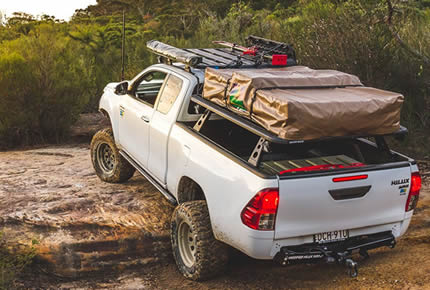
Hilux 4x4 for Safaris and independent trips
The Hilux pickup with a family tent for self drive safaris in Tanzania. This is one of the most budget options for Tanzania roadtrips. Save on lodging with this 4x4 on your holiday.
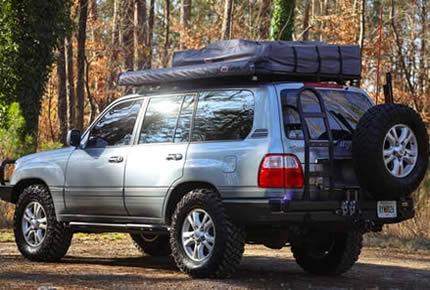
Budget Self drive and road trips - Tanzania
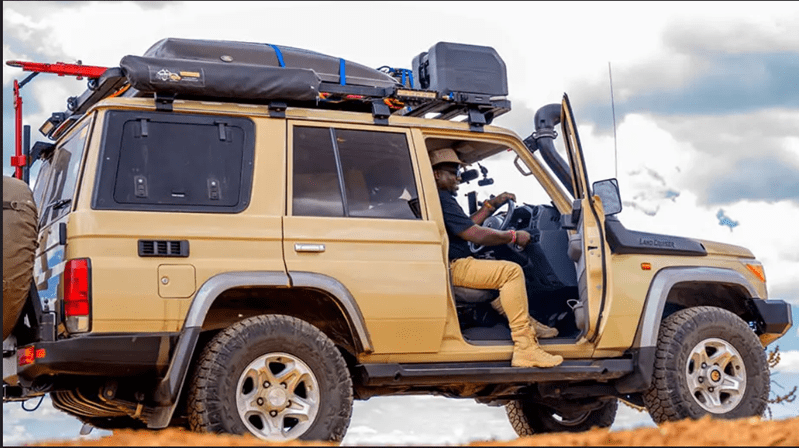
The Land Cruiser V8 with or without tent is one of the best options for 4x4 safaris in Tanzania. Rent at $100 without a tent and $140/day with camping.
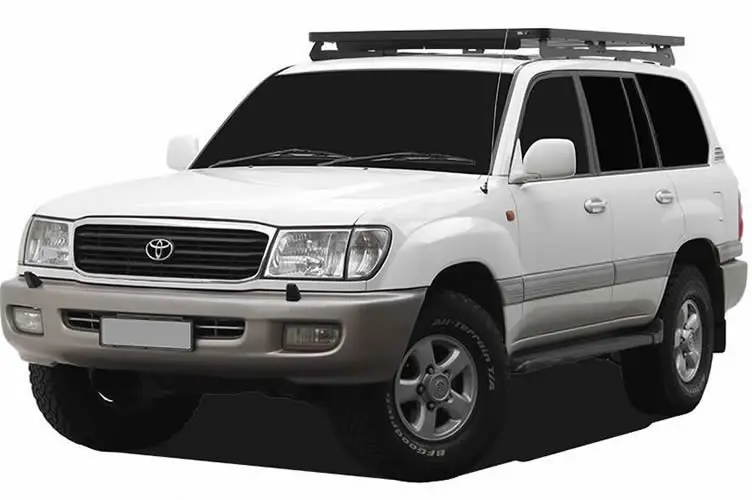
4x4 Land Cruiser - Camping safaris
Rent a 4×4 vehicle equipped with a rooftop tent for your upcoming road trip in Tanzania on a self-guided tour. These vehicles are highly efficient regarding both cost and mobility,
The Self-Drive Vehicle: What You Need
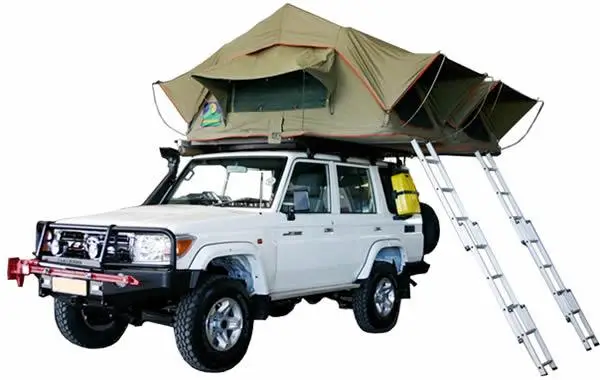
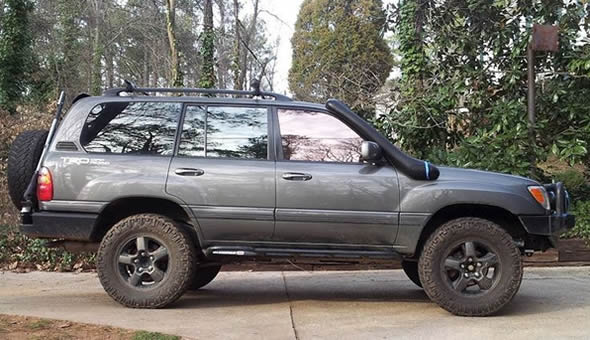
The undisputed vehicle of choice for any Tanzania self-drive safari is the Toyota Land Cruiser. A double-cab Land Cruiser with two rooftop pop-tents for two couples rents for around $200 per day and typically comes fully equipped: camp chairs, tables, a full kitchen set, sleeping bags, pillows, a high-lift jack, a quality spare tire, a cook stove, and guidebooks. Tanzania budget car hire prices run about 30–50% higher than Uganda and around 25% above Kenya. This premium exists because the Serengeti’s rough tracks put more strain on vehicles, and rental companies factor in the distance from towns if a rescue is needed.
Tanzania stands apart as one of Africa’s most rewarding destinations for independent self-drive trips. With well-maintained national parks, famously welcoming communities, and some of the continent’s most varied landscapes, self-drive in Tanzania is becoming a first choice for adventurous travelers who prefer the open road to a packaged group tour. The country is home to the iconic Serengeti, Ngorongoro Crater, and Mount Kilimanjaro and boasts over 14 national parks—including the Serengeti and the Ngorongoro Conservation Area in the north, and Selous (Nyerere) Game Reserve and Ruaha National Park in the south, as well as Tarangire, Lake Manyara, and Arusha National Parks. Following significant upgrades to Tanzania’s main highway network, the number of travelers choosing budget car hire in Tanzania and exploring independently has grown sharply year on year. A self-drive safari means you rent a fully equipped 4×4 vehicle and explore Tanzania’s national parks entirely on your own terms—planning your route, booking camps or lodges, and setting your own pace through the bush.
Camping Safaris in Tanzania
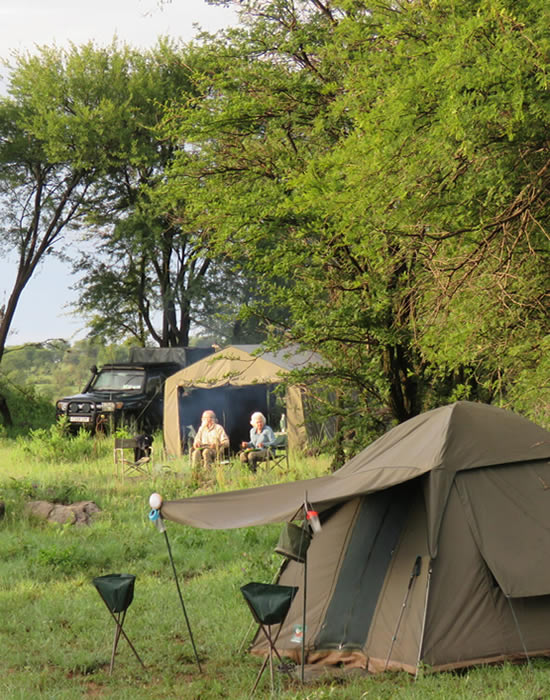
Car hire with a rooftop tent is the most popular self-drive setup for exploring Tanzania. Rent a 4×4 vehicle equipped with a rooftop tent for your self-guided road trip, with pickup available at any location throughout the country. These setups are highly efficient in terms of both cost and mobility.
Vehicles; 4×4 vehicles with high ground clearance perform best on park tracks. The Toyota Land Cruiser and Nissan Patrol are the benchmark choices for this type of travel.
Rooftop Tents
- Capacity: Spacious enough for 2–4 people per vehicle
- Types: Available in leather and hard-shell options
- Setup: Mounts directly onto the roof rack; can be set up or taken down in under 5 minutes
- Safety: Keeps you safely elevated above wildlife
- Price: $20–35 per day from full-service operators.
Tanzania is among the most sought-after tourist spots in East Africa. It offers various road trip experiences, often combining Northern Circuit safaris in Serengeti National Park and the Ngorongoro Crater, which are exceptional highlights for trekking on Mount Kilimanjaro. At 4×4 road trips, we provide the choice between guided excursions or self-drive adventures. The tours feature stops at Tarangire National Park, Lake Manyara National Park, Lake Natron, and Lake Eyasi. The Usambara Mountains are included, along with the historic towns of Tanga and Bagamoyo, finishing with relaxation on the beaches of Zanzibar.
Popular Camping Sites and Rates for 4×4 and Rooftop Tent Travellers
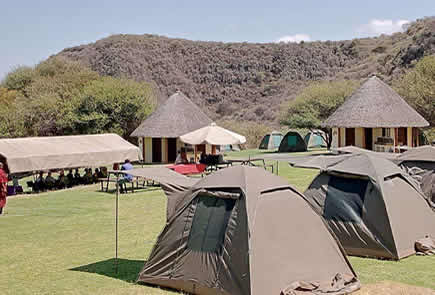
A key advantage of any camping safari in Tanzania is that public campsites are found in virtually every national park, offering affordable overnight options that keep you in the heart of the wilderness.
Campsite Categories and Official Rates (TANAPA, 2026)
- Public campsites (TANAPA-managed): USD 35.40 per person per night
- Special campsites (private, no facilities): USD 59 per person per night
- Premium special campsites (Serengeti and selected parks): USD 300 per adult per night
- Campsites outside national parks: approximately $15–25 per tent per night
Public campsites require no advance reservations — arrive and register at the gate. Special and seasonal campsites must be booked in advance, sometimes months ahead during peak season.
Self-drive safaris are not for everyone, but for the independent-minded traveller, the advantages are compelling.
1. Total Freedom and Flexibility
On self-drive camping safaris in Tanzania, you are free to plan according to your own interests rather than a fixed group schedule. Want to watch the lions for three minutes or three hours? Want to stay in one park an extra day? Want to leave at sunrise to catch the golden light over the Serengeti? The choice is entirely yours.
2. Privacy and a More Personal Experience
You are not travelling with strangers as you would on a guided group tour, and you do not have to accommodate anyone else’s wishes. Travelling independently or with a small group provides a far more intimate experience, free from the noise and distractions of larger convoys.
3. Cost Advantages for Larger Groups
A budget self-drive trip in Tanzania can be significantly cheaper than a guided package, particularly once your group grows to three or four people. Vehicle rental costs are shared across more travelers, reducing the per-person cost considerably, while you still avoid guide fees and group premiums.
4. The Adventure Factor
Self-drive trips carry a genuine sense of adventure—especially in moments when you find yourself completely alone in the middle of the Serengeti with no other vehicles in sight. There are more surprises, and encounters with local communities feel more natural when you are navigating independently.
5. A Deeper Sense of the Country
Self-drivers hop from campsite to campsite through varied Tanzanian landscapes and come away with a richer picture of the country than travelers who fly in and fly out of the headline parks. The in-between places can reveal as much about Tanzania as the national parks themselves, and the unexpected joys—like a herd of elephants wandering through your camp at Tarangire—become the moments you remember most.
6. Wildlife Spotting Without a Guide is Highly Doable
Many first-timers worry about finding wildlife without a professional guide, but experienced independent self-drive safari travelers report this is rarely a problem. Tanzania’s parks are so rich in wildlife that sightings happen naturally, and navigation apps such as Maps.me, iOverlander, and Tracks4Africa make route-finding straightforward.
Most Popular
- All Posts
- Professional
- Safari Guides
- Self drive Tours
- Seo
Key Campsites by Park
Serengeti National Park—Seronera Public Campsite
The flagship campsite for self-drive visitors. Located in the central Seronera Valley, it is the most accessible campsite in the Serengeti and is ideally positioned where lions, leopards, and cheetahs roam freely. It features a shared kitchen, toilets, and cold showers. Lions, elephants, wildebeests, and hyenas are regularly spotted around the camp at night.
Ngorongoro Conservation Area — Simba Campsites
Simba A Campsite sits on the southwestern rim of the Ngorongoro Crater, approximately 2 km from the crater village. It is well-maintained with clean facilities and hot water showers (wood-heated). Wildlife visits from the conservation area are common — the site is unfenced, so an armed ranger is recommended. Simba B is the quieter, smaller sibling. The overnight concession fee inside the NCA is USD 23.60 per person per night.
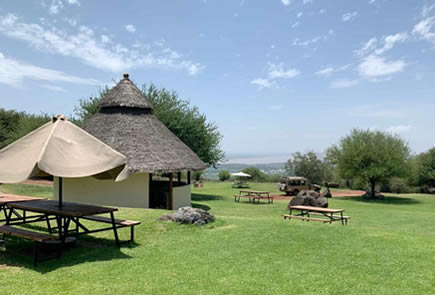
Tarangire National Park — Migombani Campsite
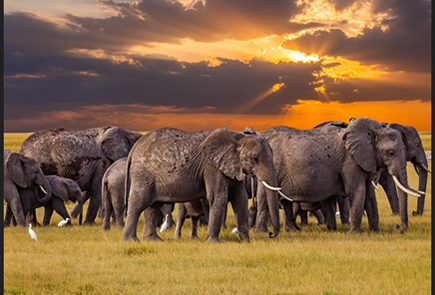
The most frequently used public campsite for self-drive visitors to Tarangire, Migombani sits in prime elephant territory along the Tarangire River corridor. Standard TANAPA public campsite rates apply: USD 30 per adult per night for foreign non-residents.
Lake Manyara — Karatu Area
Many self-drivers camp just outside Lake Manyara in the Karatu area, where private campsites offer more facilities at lower rates ($15–25 per tent per night) while remaining conveniently placed for both Lake Manyara and the Ngorongoro rim.
Rooftop Tent Rental Rates
- Budget operators: from $10 per double tent per day
- Full-service operators: $20–35 per day, inclusive of tent setup and full gear
- Electric fridge add-on: $10 per day (Land Cruiser only)
Essential Practical Notes for Self-Drivers
Fuel: Approximately $1.20 per litre in Tanzania in 2025. Always fill up when available — fuel stations are rare inside the parks.
Permits: Ngorongoro permits must be arranged through your car rental company before departure. Most TANAPA parks accept Visa and Mastercard at the gate, but carrying cash as a backup is always advisable.
Driving: Maintain 40–50 km/h on gravel roads, reduce tyre pressure on sand, and carry a spare tyre, jack, and basic recovery tools at all times. Wet-season flooding can close routes.
Safety: Crime is not a significant issue in Tanzania’s parks and reserves. Remain in your vehicle unless told otherwise and observe all park rules.
Cross-Border Rentals: At 4×4 Rpad trips, we particitpate in the East African cross-border agreement, allowing you to take your vehicle freely into Rwanda, Uganda, Kenya, and Tanzania with the appropriate documentation arranged in advance.
Serengeti National Park
The Serengeti is the jewel of any Tanzania road trip. Spanning 14,763 km² and famed for the Great Migration, it has well-signed tracks through the central Seronera area that make it navigable for confident self-drivers. Non-Tanzanian registered vehicles pay $40–50 per day for self-drive 4×4 entry.
Tarangire National Park
Tarangire is frequently described as the single best park in Tanzania for a self-drive camping safari with rooftop tents. Its relatively compact circuit, excellent internal tracks, and extraordinary elephant population make it highly rewarding without requiring a guide. The Tarangire River acts as a natural magnet for wildlife during the dry season, drawing thousands of animals to its banks. Adult non-resident entry fees will be $50 per person starting in 2025.
Ngorongoro Conservation Area
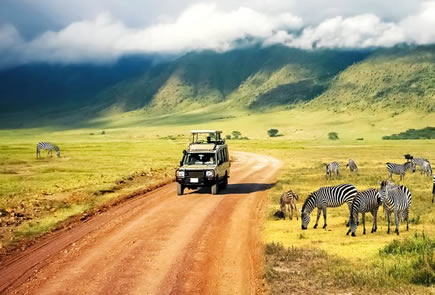
The Ngorongoro Crater is very straightforward to explore on a self-drive. The tracks on the crater floor are well-maintained and clearly signposted. However, the authorities require all self-driving visitors to be accompanied by a park ranger while inside the crater. Rangers can be arranged at the gate for a fee of USD 40 (cash only). An additional Crater Service Fee of USD 295 per vehicle per trip applies if you plan to descend. NCA and Crater entry permits must be arranged through a tour operator before your trip and cannot be paid at the gate.
Lake Manyara National Park
Compact and easily accessible, Lake Manyara makes an ideal half-day or full-day self-drive detour. Famous for its tree-climbing lions and flamingo-dotted soda lake, the park’s limited network of tracks is easy to navigate independently.
Ruaha National Park (Southern Circuit)
For the adventurous self-driver who picks up a budget car hire in Dar es Salaam and heads inland, Ruaha is an exceptional reward. One of Tanzania’s largest and most remote parks, it sees a fraction of the visitor numbers of the northern parks. The tracks require a confident 4×4 driver, but the payoff is an intimate, uncrowded wildlife encounter unlike anything in the north.
Most Popular
- All Posts
- Professional
- Safari Guides
- Self drive Tours
- Seo
The Top Self-Drive Routes in Tanzania
Route 1: The Classic Northern Circuit (10–14 Days)
The Northern Circuit is the ideal starting point for first-timers planning a self-drive trip in Tanzania. This is the country’s flagship self-drive itinerary — one legendary safari park after the next. It works well for those who come primarily for wildlife, have limited time, or wish to combine the safari with a Kilimanjaro climb or Zanzibar extension. Ten days with eight car rental days is the recommended minimum.
The loop departs from Arusha and takes in Tarangire National Park, Lake Manyara National Park, the Ngorongoro Conservation Area, and the Serengeti before returning to Arusha. The road from Arusha to Tarangire and Lake Manyara follows the well-paved A104 highway. Beyond Ngorongoro, the route transitions to gravel and dirt tracks through to Seronera in the heart of the Serengeti. Expect corrugations, dust, and mud during the rainy season.
Route 2: The Northern Circuit Plus Hidden Gems (14–20 Days)
For travellers with more time, this extended itinerary layers Tanzania’s top safari parks with lesser-known treasures. Additions typically include Lake Natron (famous for its flamingos and the active volcano Ol Doinyo Lengai), Lake Eyasi (home to the Hadzabe hunter-gatherers), and the Ndutu area in the southern Serengeti — the calving grounds of the Great Migration from December to March.
Route 3: The Bush-to-Beach One-Way Road Trip (20+ Days)
The one-way self-drive trip from Arusha to Dar es Salaam is the ultimate Tanzania road adventure and is consistently among the most popular options for experienced self-drivers. Starting in Arusha and handing the vehicle over in Dar es Salaam (or vice versa), this route is perfect for those who want to combine classic safari with mountain scenery, cultural encounters, and Indian Ocean beaches while avoiding the crowds. A minimum of 20 days is recommended.
The route passes through the Northern Circuit, drops south through the Mikumi National Park corridor, and can extend to include Ruaha and Nyerere (formerly Selous) National Parks before reaching the coast.
Route 4: The Southern Parks Circuit — Car Hire in Dar es Salaam (8–10 Days)
For travellers beginning their journey on the coast, car hire in Dar es Salaam opens up a superb and far less-trafficked self-drive circuit. The southern route covers approximately 1,300 km round trip, taking in Ruaha, Nyerere (Selous), and Mikumi National Parks. Fuel consumption is around 190 litres for the loop, and the best time to visit is June to November. This is the ideal choice for those seeking an authentic, off-the-beaten-path safari experience without the vehicle convoys of the northern parks.
Route 5: The Lake Natron and Rift Valley Detour
This spectacular add-on to any Northern Circuit self-drive leaves Arusha, passes through the Ngorongoro highlands, and descends dramatically into the Rift Valley. Lake Natron levies village entry fees of approximately $10–15 per person per day, plus wildlife activity fees for key areas. Vehicle fees run $20–30 depending on type. Camping costs around $10–20 per person per night; payments are accepted in USD or Tanzanian Shillings only—cards rarely work in this remote location.