
14-Day Tanzania Self-Drive Safari: Southern Circuit Route Guide

Plan your 14-day Tanzania self-drive safari through Saadani, Mikumi, Ruaha, & Nyerere. Includes day-by-day itinerary, lodge recommendations, park fees, and 4WD hire tips.
Before You Go: Logistics & Essentials
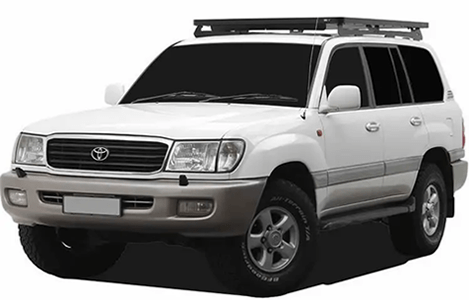
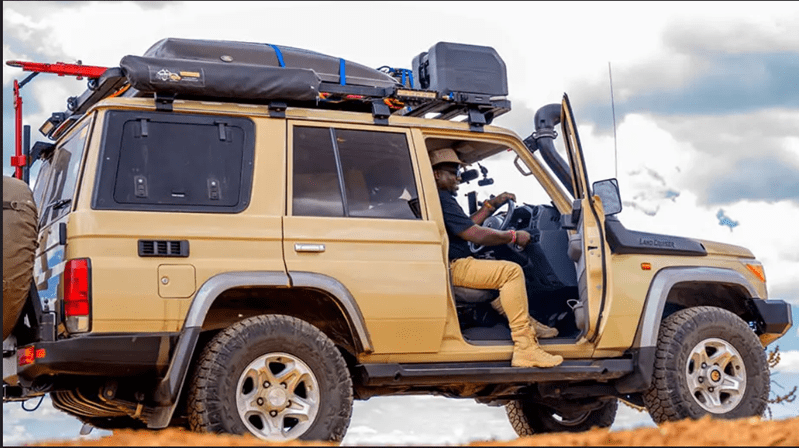
Vehicle. A 4WD is non-negotiable for this circuit. 4×4 car hire prices at Julius Nyerere International Airport start from around USD 100/day for a basic SUV, rising to USD 160–180/day for a capable Toyota Land Cruiser or Prado on self-drive. For Ruaha especially, a proper Land Cruiser is strongly recommended given the rough tracks inside the park. Park Fees. Each park charges a non-resident entry fee. Nyerere National Park charges USD 70 per adult per day, while overnight concession fees for staying at a lodge inside the park are an additional USD 59 per person per night. Budget similarly for Mikumi, Ruaha, and Saadani — all payable cashlessly by Visa or Mastercard at the gates. Best Time to Visit. For rain-free game driving, June to October are the best months. Wildlife concentrates near water sources during this dry period, making for exceptional sightings across all four parks.
Navigation. Use GPS apps like Maps.me or Tracks4Africa. Fuel stations are far between in remote areas, so top up whenever possible.
Day 1 — Arrival in Dar es Salaam
Fly into Julius Nyerere International Airport, collect your pre-booked 4WD, and spend the night in Dar. Use this evening to check equipment, stock up on snacks, water, and supplies for the road, and confirm lodge bookings for the circuit ahead. The city has good supermarkets (Shoprite, Mlimani City mall) for provisions. Overnight: city hotel of your choice.
Days 2–4 — Saadani National Park (3 Nights)
Drive: ~280 km north of Dar es Salaam via the Bagamoyo road (roughly 4–5 hours). The last section involves a dirt track — your 4WD earns its keep immediately.
Saadani’s claim to fame is that it is the only wildlife reserve in East Africa with a beachfront on the Indian Ocean. This is a place to decompress — the wildlife is genuine but unhurried. Expect elephants, buffaloes, green turtles, warthogs, lions, and a spectacular wealth of waterbirds. Activities include game drives, guided walks that start in the bush and end on the beach, and boat trips up the Wami River past crocodiles and pods of hippos.
Recommended Lodge: Saadani Safari Lodge
Saadani Safari Lodge is located on the southern border of Saadani National Park where the Wami River meets the warm Indian Ocean. There are 9 eco-friendly classic banda rooms along the sandy beach with magnificent ocean views from the full-length veranda, plus 5 Maridadi Suites perched on stilts directly on the beach. The all-inclusive package covers meals, drinks, and safaris. This is the standout midrange-to-upper property in the park with a distinctive bush-meets-beach identity. Estimated rate: USD 200–280 per person per night (full board, all-inclusive).
Budget-conscious alternative: The Saadani Park Bandas (TANAPA-managed cottages) are mid-range cottages located inside the park, secured 24/7 by game rangers and ideal for families or small groups seeking an affordable beach and wildlife experience. These offer basic but clean self-catering accommodation at a fraction of the cost.
Day 2: Drive north, arrive for a late-afternoon Wami River boat safari — the golden hour views of crocodiles and hippos are unforgettable. Day 3: Full-day game drive through the park’s interior, followed by a turtle walk along the beach at dusk. Day 4: Early morning guided walk (bush to beach), then hit the road south toward Mikumi.
Company
Features
Most Recent Posts
- All Post
- Professional
- Safari Guides
- Self drive Tours
- Seo
Days 5–7 — Mikumi National Park (3 Nights)
Drive: ~300 km from Saadani, looping back through Bagamoyo and then southwest via the Morogoro highway (approximately 5–6 hours, mostly tarmac). The park gate is right off the main Dar–Zambia highway. Mikumi is often considered the gateway to the southern circuit due to its accessibility from Dar es Salaam, and despite being easier to reach, it remains less crowded and offers excellent wildlife viewing. It is frequently called “little Serengeti” — open floodplains teeming with impala, zebra, buffalo, wildebeest, giraffe, and good lion populations. Self-driving is particularly rewarding here. Recommended Lodge: Vuma Hills Tented Camp
Vuma Hills sits on a kopje with sweeping views over the Mkata floodplain — one of the best-positioned properties in the park. The tented camp format provides an authentic bush atmosphere. Spacious tents with en-suite bathrooms, a communal dining area, and evening campfire sundowners are the norm. Reviewers praise the spacious rooms with eerie sounds from the wilderness at night and beautiful birdsong in the mornings. Estimated rate: USD 180–250 per person per night (full board). Alternative: Angalia Tented Camp — a smaller, more intimate option directly inside the park offering comparable comfort at a slightly lower price point, popular with independent travellers on the southern circuit.
Day 5: Arrive lunchtime, afternoon game drive on the Mkata floodplain — this is prime elephant and buffalo territory. Day 6: Full day self-drive — morning drive targeting lion country, afternoon along the hippo pools at the Mkata River. Day 7: Dawn game drive, then pack up and drive the long haul to Ruaha.
Days 8–11 — Ruaha National Park (4 Nights)
Drive: ~360 km west from Mikumi via Iringa (approximately 6–7 hours). The road passes through the spectacular Kitonga Gorge and Great Rift Valley escarpment — keep your camera ready. The final section into the park is rough dirt track.
Ruaha National Park is Tanzania’s largest national park and one of Africa’s best-kept safari secrets. Known for its rugged beauty and dramatic landscapes, it is home to one of the largest elephant populations in East Africa, and also hosts large prides of lions, leopards, cheetahs, and rare species such as African wild dogs. The Great Ruaha River is the lifeline of the park, drawing extraordinary concentrations of animals during the dry season. You earn your wildlife here — sightings are hard-won and deeply satisfying.
Recommended Lodge: Kigelia Ruaha Camp (Nomad Tanzania)
Kigelia Ruaha is located in one of the best areas for wildlife in the park, with large herds of elephants, numerous big cat sightings, and prolific birdlife. Set on the banks of the Ifuguru sand river, the six tents sit under sausage trees after which the camp is named. Managed by the highly regarded Nomad Tanzania, this is consistently praised for exceptional value and outstanding guiding. The wildlife and the experience are exceptional — guests see wild dogs, lion hunts, mongoose, and much more, often with the whole camp to themselves. Estimated rate: USD 350–480 per person per night (full board, activities included).
Alternative: Mdonya Old River Camp — nestled in a grove of baobab trees, Mdonya offers a rustic and eco-friendly experience with spacious tents, en-suite bathrooms, and game drives and walking safaris through Ruaha’s natural beauty. More affordable and genuinely remote. Estimated rate: USD 280–360 per person per night.
Note on self-driving in Ruaha: The park is enormous and tracks can be deeply rutted. Many travellers self-drive for game drives during the day but rely on lodge-guided drives for at least one session — guides know the river crossings and wildlife hotspots intimately.
Day 8: Arrive late afternoon, evening game drive along the Great Ruaha River. Day 9: Full self-drive day — morning drive targeting the river confluence for elephant herds and crocs; afternoon at the lugga (seasonal stream) crossings for big cat activity. Day 10: Guided walking safari (most lodges arrange this with an armed ranger) — the best way to appreciate Ruaha’s extraordinary birdlife and smaller mammals. Day 11: Dawn drive, then depart eastward toward Nyerere.
Days 12–14 — Nyerere National Park (3 Nights)
Drive: ~450 km east from Ruaha back toward the coast, via Iringa and then south through Morogoro — a long 7–8 hour drive on mixed tarmac and dirt roads. Nyerere (formerly the Selous Game Reserve) is accessed from the Mtemere or Matambwe gates.
Nyerere National Park is one of the largest protected areas in Africa, and what sets it apart is its unique combination of land and water-based safari experiences. The Rufiji River system creates a rich ecosystem filled with hippos, crocodiles, and diverse birdlife. Boat safaris here are a highlight, offering a different perspective as you glide along the river watching wildlife gather at the banks. Walking safaris led by experienced guides provide an intimate way to explore the bush.
Recommended Lodge: Rufiji River Camp
One of the most established and well-regarded midrange properties in Nyerere, Rufiji River Camp sits directly on the banks of the Rufiji River in the photographic sector of the park. Africa Safari Selous Lodge (at the Mtemere gate) has four types of accommodation including banda bungalows, pool bungalows, and safari tents, all carefully furnished in an authentic African style with en-suite bathrooms and air conditioning. Rufiji River Camp itself is known for its excellent boat safaris, knowledgeable guides, and comfortable tented chalets. Estimated rate: USD 280–380 per person per night (full board, activities included).
Alternative: Lake Manze Camp — Lake Manze Camp is set right in the heart of the best game area in the Selous and is arguably one of the best value options in the park. Highly recommended for those wanting excellent wildlife access at competitive rates.
Day 12: Arrive for a late afternoon boat safari on the Rufiji — hippos, crocs, fish eagles, and elephants drinking at the banks. Day 13: Full day combining a morning game drive (targeting lion and wild dog) with an afternoon walking safari. The wild dogs of Nyerere are legendary. Day 14: Dawn boat safari or final game drive, then drive ~250 km back to Dar es Salaam for your flight home (3.5–4 hours on mostly tarmac).
Cost Summary (Indicative, Per Person)
Item | Estimated Cost |
4WD hire (14 days @ ~USD 160/day) | USD 2,240 |
Fuel (est. ~200L total) | USD 260 |
Park entry fees (14 days across 4 parks) | USD 700–980 |
Saadani Safari Lodge (3 nights) | USD 600–840 |
Vuma Hills, Mikumi (3 nights) | USD 540–750 |
Kigelia Ruaha (4 nights) | USD 1,400–1,920 |
Rufiji River Camp, Nyerere (3 nights) | USD 840–1,140 |
Total (approx. per person) | USD 6,380–8,130 |
Prices are indicative and based on two travellers sharing a double room. Rates vary by season — dry season (June–October) commands peak rates, while the green season (November–April) can offer 20–30% discounts at many properties.
Practical Tips
Payments. All national park fees are cashless — bring a Visa or Mastercard. Lodges may accept cash USD or card.
Mobile data. Buy a local SIM (Vodacom or Airtel) at Dar airport. Signal is reasonable in towns and fades in parks — download offline maps before entering.
Fuel. Fill up in Dar, Bagamoyo, Morogoro, and Iringa. Do not enter Ruaha on less than a full tank.
Road conditions. The Dar–Mikumi highway is good tarmac. Ruaha’s internal tracks and the Saadani approach road are the most demanding sections — low-range 4WD capability is essential.
Wildlife etiquette. The speed limit inside Nyerere is 25 km/h. Animals always have the right of way, and visitors must remain in their vehicle within 200 metres of any game animal. Similar rules apply across all parks.
This is genuinely one of Africa’s finest self-drive circuits — remote, varied, and remarkably uncrowded compared to the northern parks. The southern circuit rewards patience and the freedom of driving yourself.