Travel Africa - Overland safaris Africa | 4x4 Road Trips
Self-guided road trips throughout Africa are entirely feasible, especially in Southern Africa (Namibia, South Africa, Botswana) and East Africa (Kenya, Tanzania, Uganda, Rwanda), which are popular travel spots. Adequate preparation is crucial, requiring a reliable vehicle, ideally a 4×4 for tougher terrains, an international driving permit, and careful consideration of road conditions, fuel accessibility, and safety precautions, such as carrying extra water. Prominent routes include the Garden Route in South Africa, safaris in Kruger and Etosha, and the adventure of exploring Rwanda’s parks starting from Kigali.
The Two Great Regions for Self-Drive
Southern Africa is the classic starting point. Southern Africa is renowned for its accessibility, wildlife diversity, and established overland routes. Countries like Namibia, Botswana, South Africa, and Zimbabwe have the best-maintained road networks, the most organised campsite infrastructure, and the most experienced rental companies.
East Africa is where the wildlife spectacle reaches its peak. East Africa is a dream destination for safari enthusiasts and those seeking immersive cultural experiences. Kenya, Tanzania, Uganda, Rwanda, and Tanzania offer gorilla trekking, the Serengeti migration, and dramatic highland scenery — but roads are rougher and logistics more complex.
Self-guided road trips throughout Africa are entirely feasible, especially in Southern Africa (Namibia, South Africa, Botswana) and East Africa (Kenya, Tanzania, Uganda, Rwanda). Adequate preparation is crucial, requiring a reliable vehicle — ideally a 4×4 for tougher terrains — an international driving permit, and careful consideration of road conditions, fuel accessibility, and safety precautions.
Zambia Independent Travel
Zambia is a premier African safari destination that offers chances for independent tours. These can be undertaken through specialised guided excursions or by booking accommodations and activities on your own. Key locations include South Luangwa National Park (famous for its walking safaris), Lower Zambezi, Victoria Falls, and Kafue National Park. The best time for a self-guided safari is during the dry season from June to October, which aligns with the walking safari season
Create a Road trip safari through Namibia
Namibia provides independent safari experiences that enable travellers to discover the landscape at their own speed, featuring popular choices such as self-drive tours to national parks like Etosha and Sossusvlei. These journeys can be tailored to incorporate activities like wildlife observation, stargazing, and exploring destinations such as Swakopmund, the Skeleton Coast, and the Fish River Canyon. Numerous companies offer self-drive itineraries or assist in crafting personalised plans, catering to both budget-conscious and luxury travellers.
Green Adventure
Self-drive trips in Namibia provide a significant level of independence. Usually, they require a 4×4 vehicle to navigate through various terrains such as Etosha National Park, the Sossusvlei dunes, and Damaraland.
Important factors to consider during planning include utilising a high-clearance vehicle, like the 4×4 Hilux pick-ups or Land Cruisers, and you should bring emergency supplies. Prepare for long distances, and make sure you have offline maps along with a solid grasp of driving on the left side of the road.
- Namib-Naukluft National Park
- Etosha National Park
- Skeleton Coast National Park
- Dorob National Park
Botswana: The Best Experience
Botswana safaris offer a diverse range of experiences, from the verdant waterways of the Okavango Delta. The extensive elephant herds in Chobe National Park, as well as opportunities to see wild dogs in the Linyanti and Kwando reserves, make Botswana a place on your list. When organising your trip, there are many tour packages to create a custom itinerary, like wildlife or participating in cultural activities like the petroglyphs at Tsodilo Hills.
With its vast and diverse landscapes, Botswana is undoubtedly among the top safari destinations globally. A self-drive safari through its expansive and varied terrains offers an unmatched adventure. The remote and water-abundant characteristics of the Okavango Delta can present challenges for self-drive safaris; however, they are immensely rewarding and provide an excellent opportunity for adventurous and independent travellers to explore the delta.
Malawi
Independent travel with local specialists
Malawi might not be the first destination that comes to mind for wildlife lovers, but it presents a range of enticing safari options. Among these are highlights such as Liwonde National Park and Majete Wildlife Reserve. Nyika National Park is particularly notable for its breathtaking high-altitude scenery, offering a distinct experience that differs from conventional bush safari sites. Travellers can organise a self-drive safari in Malawi, celebrated for its friendly inhabitants, rich wildlife, and the beautiful Lake Malawi. Independent choices range from self-drive excursions to partnering with local or international operators to create a customised travel plan.
East Africa Safaris — 4×4 Road Trips
East Africa offers some of the most captivating wildlife safari experiences in Africa. You can select from a range of options, including adventurous safari excursions such as trekking through the rainforests and hiking the mountains, as well as comfortable wildlife viewing from your seat.
Safaris and self-drive trips in East Africa are classified as active safaris, requiring participation in tours such as primate safaris. These tours entail trekking through jungles to find Mountain Gorillas in Rwanda’s Volcanoes National Park and Bwindi in Uganda, as well as Chimpanzees and other primates. Additional active tours consist of walking safaris, during which an armed ranger guide accompanies you.
Other safari experiences
Other safaris in East Africa feature guided tours, where a lead guide will drive you through wildlife safari parks, allowing you to appreciate the beauty of the wilderness. These tours take place in open Savannah National Parks such as the Serengeti and Masai Mara wildlife parks. You will have the opportunity to observe various species, whether up close or from a distance. While you can embark on a game drive independently, hiring a ranger guide is advisable for a more efficient and adventurous experience, as they will navigate the most rewarding tracks.
Travel Africa: 4x4 Independent Road Trips
Why Africa by 4×4?
Overland travel in Africa offers freedom, unforgettable landscapes, unique cultural interactions, and the chance to experience the continent at a slow and immersive pace. A self-drive 4×4 trip is the purest expression of this — you set your own pace, sleep under the stars in a rooftop tent, and take the tracks that no minibus ever finds.
One of the main allures of Africa is that you can find adventure there. When you go on a game-viewing activity, you never know what you’re going to see or what is going to happen.
Features
Most Recent Posts
- All Post
- Professional
- Safari Guides
- Self drive Tours
- Seo
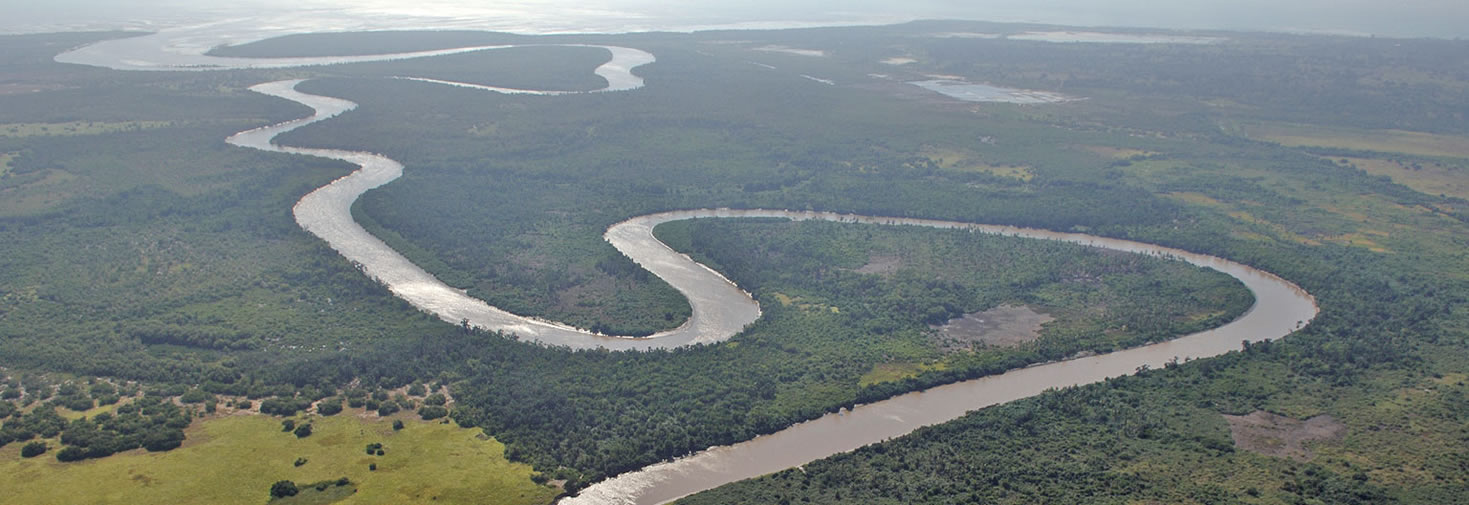
Explore Uganda and Rwanda Combined
Iconic Routes
The Classic Southern Africa Loop For experienced travelers, trans-Southern Africa routes connect multiple countries in one continuous journey. These expeditions may start in South Africa and travel north through Namibia, Botswana, Zambia, and Zimbabwe, or extend east to Malawi and Mozambique. Such routes offer the ultimate sense of scale, adventure, and exploration.
The East Africa Corridor One of the most popular overlanding routes runs from Kenya → Tanzania → Zambia → Botswana → Namibia → South Africa — a rugged off-grid route perfect for serious explorers, ideal for 2–4 week overlanders.
Namibia in Depth Self-drive trips in Namibia provide a significant level of independence. Usually, they require a 4×4 vehicle to navigate through various terrains such as Etosha National Park, the Sossusvlei dunes, and Damaraland.
The Sani Pass (South Africa–Lesotho) The Sani Pass is a high mountain road that links the borders of South Africa and Lesotho, ascending over 1,000 metres in less than 10 kilometres. It rises from 1,544m on the South African side to 2,876m on the Lesotho border, earning the name “Roof of Africa” — one of the most challenging and dramatic 4×4 drives in Southern Africa.
Choosing Your Vehicle
If you plan to venture on unpaved roads or in national parks, opt for an all-terrain vehicle (4×4) which offers better grip and higher ground clearance. Alternatively, a compact or mid-size car may be suitable for main roads.
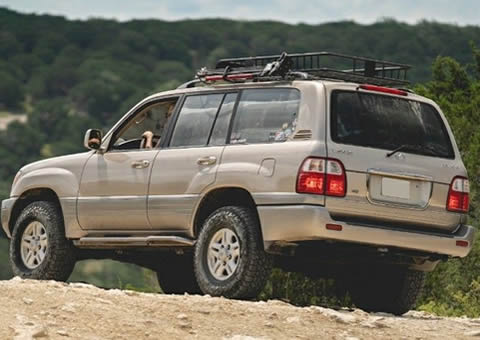
The Toyota Land Cruiser is the undisputed standard. Reliable, spacious, and widely known throughout Africa, the Land Cruiser is a go-to for overlanders who want comfort and capability. For rental, look for vehicles equipped with rooftop tents, fridges, dual battery systems, and large fuel tanks.
Investing in a specialised safari vehicle ensures you have reinforced tyres, dual battery systems, and reliable recovery tools. High-quality recovery gear, such as sand tracks, heavy-duty jacks, and air compressors, is vital.
Border Crossings
This is where many first-time overlanders get caught out. Crossing borders on a 4×4 overland trip is one of the most important parts of the journey to get right. You’ll typically need: a valid visa (either eVisa or visa-on-arrival depending on the country — double check that the visa duration written in your passport matches what you requested, as it’s not uncommon for border officials to issue shorter stays), an International Driving Permit (required in some countries), vehicle registration documents, and car insurance including a COMESA Yellow Card.
The Carnet de Passage is a critical document for multi-country trips. It is, in essence, an international guarantee for payment of customs duties and taxes to a government should the vehicle or item not be re-exported from that country. Cars registered in East Africa don’t need a carnet within the region — but once you cross from Zambia into Tanzania, it is required, as it is for Kenya, Uganda, and Rwanda.
The KAZA UniVisa is worth knowing about for Southern Africa. It costs US$50 and allows tourists to travel seamlessly between Zimbabwe and Zambia multiple times, including day trips across the Kazungula border into Botswana.
In Kenya they call them “lifesavers” — police will ask for a reflective triangle, fire extinguisher, reflective jacket, and first aid kit in many countries throughout Southern Africa.
Essential Gear Checklist
The core safety equipment includes: an approved fire extinguisher per vehicle mounted where it can be reached easily, emergency flares, a lightweight tarpaulin at least five metres on a side, LED flashlights, matches or fire-starting devices, licensed two-way radios for communication between vehicles or during recovery operations, a satellite phone for long-distance communications, GPS devices with the latest African road updates, enough engine oil to perform a full oil change, and sufficient gear oil to perform at least two oil changes on both differentials after deep-water crossings.
A Word of Caution on Routes
Like the best-laid plans of overlanders through Africa, plans and routes can change at less than a moment’s notice. Africa has never been known for the high standards of its roads, nor for the fact that you will actually arrive at your intended destination by any chosen route. Many roads and routes appear only on paper maps — where the road should be, you may only find forest, swamps, or vast stretches of mud and sand.
Flexibility is not just a virtue on an African road trip — it’s a survival skill.
Rwanda as a Starting Point
Since you’re based in Kigali, you’re already perfectly positioned. Prominent routes include safaris in Rwanda’s parks starting from Kigali, connecting south into Tanzania or west into Uganda. The gorilla trekking circuit through Volcanoes National Park and Bwindi in Uganda is one of East Africa’s great overland journeys — easily done in a well-equipped 4×4.