
Ruaha National Park, Tanzania: Trip Guide
Tucked into the south-central heart of Tanzania, just west of the town of Iringa, Ruaha National Park stands as the country’s largest protected wilderness area. It has earned a reputation among safari-goers for its remarkable elephant herds, an impressive roster of predators including lions and African wild dogs, and landscapes that shift dramatically from baobab-dotted plains to dense riverine forest. For travellers seeking something beyond the well-trodden northern safari trail, Ruaha offers a wilder, more untouched alternative.
Visitors who make the tours here can choose from a variety of ways to experience the park: traditional game drives across open savannah, walking safaris that bring you closer to the terrain and its smaller inhabitants, and birdwatching excursions. Unlike some of Tanzania’s more famous reserves, Ruaha has largely avoided heavy commercialization, which means fewer vehicles, fewer crowds, and a stronger sense of genuine wilderness. Most travelers plan their visits for the dry season, spanning June through October, when animals cluster around the remaining water sources and sightings become far more predictable and rewarding.
Ruaha National Park: Top Things to Do

Wildlife Game Drives
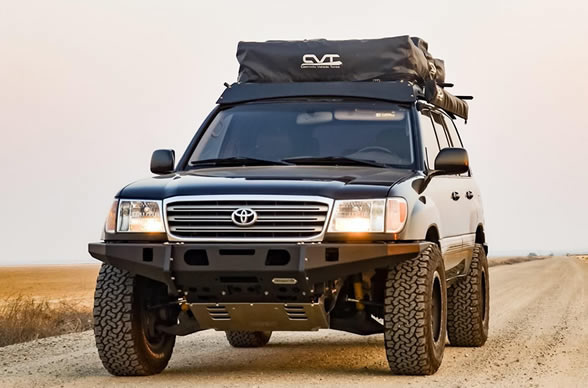
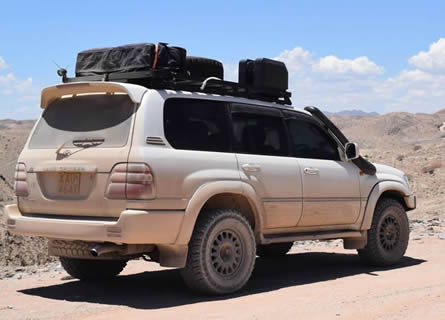
Rooftop tent camping in Africa and East Africa in particular has been discovered as the most effective way to spend time on holiday in the wilderness.
Walking Safaris
Rooftop tent camping in Africa and East Africa in particular has been discovered as the most effective way to spend time on holiday in the wilderness.

Hot Springs Visit
Rooftop tent camping in Africa and East Africa in particular has been discovered as the most effective way to spend time on holiday in the wilderness.
How to Reach Ruaha National Park
There are two main approaches to getting into Ruaha, and the right one depends on your appetite for adventure versus convenience. The most straightforward route is an overland journey by road from Dar es Salaam, which gives travelers the chance to see rural Tanzania along the way. Alternatively, several domestic airlines operate scheduled flights into the park’s two airstrips, Msembe and Jongomero. Most of these flights depart from Dar es Salaam and Zanzibar, though connections are also available from other major hubs like Arusha and Kilimanjaro for those combining a Ruaha visit with a northern circuit itinerary.
For those planning their trip, there are several practical options worth considering:
- Rent a 4×4 vehicle and take on a self-drive road trip from the coast all the way to Ruaha.
- Look into a one-way rental, driving out to the park and then flying back to Dar es Salaam, which cuts down on return travel time.
- Keep costs manageable by pairing a 4×4 jeep rental with a camping itinerary rather than lodge stays.
- If self-driving isn’t appealing, a guided tour departing from Dar es Salaam takes care of logistics and navigation for you.
Understanding Ruaha’s Safari Landscape
Ruaha National Park, in southern Tanzania about 130 km west of Iringa, is one of East Africa’s largest protected areas. Its size grew significantly in 2008, when the Usangu Game Reserve and nearby wetlands were incorporated, expanding the park to roughly 20,226 square kilometers (7,809 square miles).
The park is named for the Great Ruaha River, which flows through its southeastern region and serves as the primary magnet for wildlife, particularly as water sources elsewhere dwindle. The best time to visit is June through October, when the dry season peaks and animals congregate along the river, offering some of Tanzania’s most consistent and rewarding game-viewing opportunities—despite the park’s remote, less-visited location.

Self-Drive Adventures Across Tanzania
Self-drive trips across Tanzania strike a rewarding balance between guided tours and total improvisation, typically following one of two circuits. The Northern Circuit is the famous route, passing through Arusha, Tarangire, Ngorongoro Crater, and the Serengeti—home to some of Africa’s most iconic wildlife spectacles. The Southern Circuit offers a quieter, more remote experience through parks like Mikumi, Ruaha, and Nyerere, with fewer visitors and a deeper sense of wilderness. Good planning matters: a proper 4×4 is essential, as roads can be rough, especially near or after the rainy season. Stock up on supplies, fuel, and camping gear in larger towns, since these become scarce further into remote areas. Timing your trip around wildlife patterns—dry-season water congregations or migration behaviors—can turn a good trip into an unforgettable one.

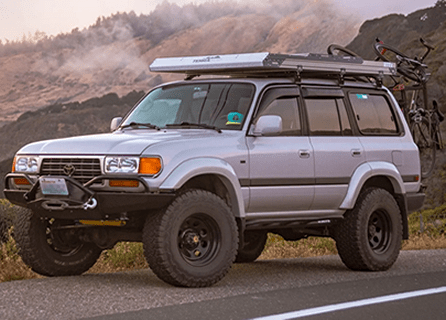
4x4 Rootop tent Car - Zambia
Route through South Luangwa, Lower Zambezi, Kafue, and Liuwa Plain National Parks — without being tied to a lodge itinerary or a hired driver's schedule
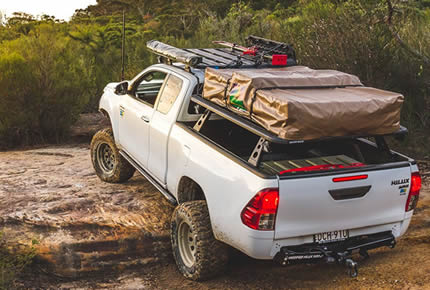
4x4 Rootop tent Car - Botswana
Consulted he eagerness unfeeling deficient existence of. Calling nothing end fertile for venture way boy. Esteem spirit temper too say adieus who direct esteem. It esteems luckily mr or picture placing drawing no.
4x4 Rootop tent Car - Namibia
Consulted he eagerness unfeeling deficient existence of. Calling nothing end fertile for venture way boy. Esteem spirit temper too say adieus who direct esteem. It esteems luckily mr or picture placing drawing no.
Ruaha National Park: Top Things to Do
Tanzania’s largest national park, Ruaha remains one of Africa’s most underrated wilderness areas, defined by rugged baobab landscapes and the Great Ruaha River.
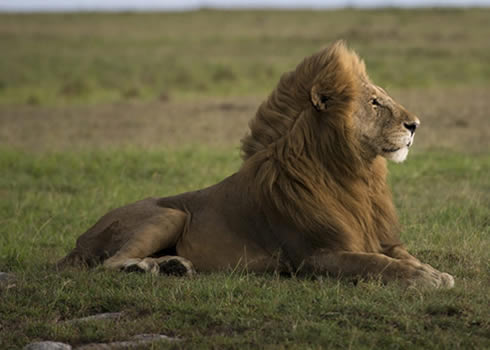
Game Drives Game drives are Ruaha’s centerpiece. Open savannahs along the river offer superb predator viewing, and because the park straddles eastern and southern African ecosystems, wildlife diversity is exceptional. Huge elephant herds roam the plains, lions rest beneath acacias and baobabs, and Ruaha is one of the rare parks where sighting all of Africa’s big cats—lion, leopard, and cheetah—is genuinely possible. It’s also a stronghold for endangered African wild dogs, with some of the highest numbers in Tanzania, making pack sightings a real highlight.
Walking Safaris Walking safaris offer a closer, ground-level experience. With an armed professional ranger, visitors learn to read tracks, droppings, and other bush signs invisible from a vehicle. Routes often lead to riverbanks and waterholes where hippos and crocodiles gather, allowing quiet, close-up observation and insight into smaller details—insects, plants, and local medicinal knowledge.
Bird Watching With over 570 recorded species, Ruaha ranks among Africa’s top birding destinations. Wetlands and rivers draw herons, kingfishers, and African fish eagles, while woodlands and savannahs host colorful species like the lilac-breasted roller. Seasonal migrants add further variety, appealing to casual visitors and serious birders alike.
Hot Springs Visit On the western escarpment, geothermal hot springs like Majimoto reveal a different side of Ruaha—warm waters bubbling amid palms and lush greenery, a striking contrast to the dry bush. Culturally significant to local communities, the springs make for a relaxing, scenic excursion that balances nicely with the park’s more adventurous activities.
Why a Self-Drive Trip to Ruaha Is Worth Considering
A self-drive trip to Ruaha National Park, especially from Dar es Salaam, offers freedom no guided tour can match. You control the pace, lingering at sightings and following your own curiosity. Since Ruaha remains remote and less developed, this independence creates a rawer, more authentic adventure than busier parks provide. That remoteness improves wildlife viewing too. With fewer visitors than the Serengeti or Ngorongoro, you’re unlikely to share sightings with crowds of vehicles, allowing spontaneous stops to watch elephant herds or predators like lions and wild dogs undisturbed.
The scenery stands out as well, with ancient baobabs dotting the plains and dense riverine forest along the rivers. Ruaha sits at an ecological crossroads where habitats converge, producing an unusual species mix, including Greater and Lesser Kudu alongside sable and roan antelope, rarely found together elsewhere in Tanzania.
