40 Days Cape Town to Kampala Overland
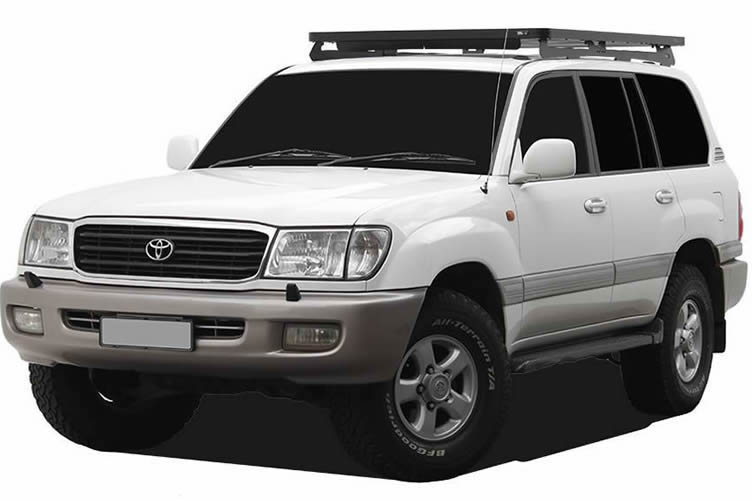
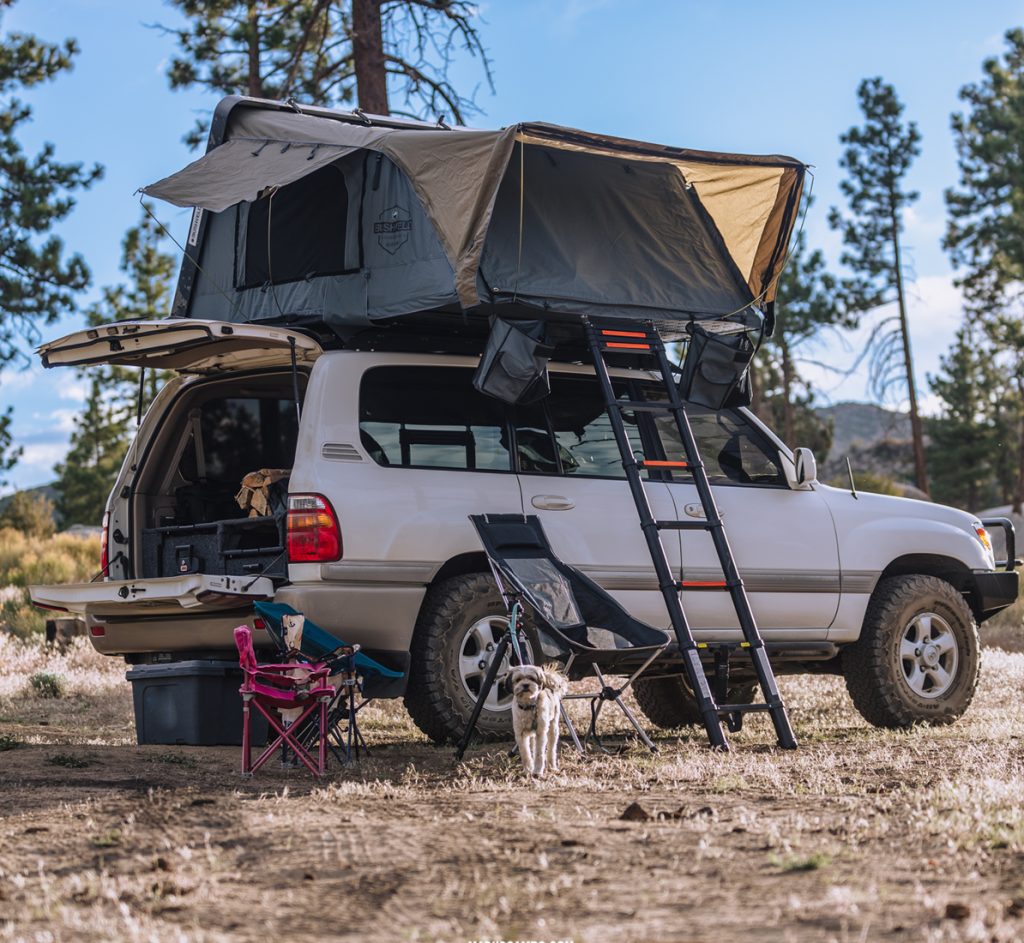
- Pick up a high-clearance 4×4 (Toyota Land Cruiser or Hilux) with a rooftop tent — essential for Botswana sand tracks and Tanzania’s rainy-season roads.
- One-way drop fees apply. Negotiate a Cape Town pickup → Nairobi drop. Book 3–6 months ahead.
- Most national parks require pre-booked campsites. Use each country’s parks authority website or Reservations Africa for South Africa.
- Carry at minimum 60 L of extra fuel and 20 L of drinking water when entering Botswana or Malawi backcountry.
- Yellow fever certificate required for Uganda entry; recommended for Tanzania/Kenya borders too.
The full route explained
Days 1–8 · South Africa — The shakedown leg
Start in Johannesburg or Cape Town, collect your budget one-way 4×4 hire (Toyota Land Cruiser 79 or Hilux double-cab with rooftop tent), and make for Kruger via the Panorama Route. This is deliberately your easiest leg — paved roads, well-signed camps, reliable cell signal — and it’s where you iron out the rooftop tent setup, fridge loading, and gear configuration before the real wilderness begins.
Self-drive game drives in Kruger are among Africa’s best-value experiences. The southern section (Skukuza, Lower Sabie) is dense with leopard and lion sightings; the far north (Punda Maria, Pafuri) is quieter and more atmospheric. Spend at least one night at a remote bush camp like Sirheni or Boulders where no fences separate you from the bush.
Days 9–16 · Botswana — The deep wilderness leg
This is where your cross-border 4×4 rental Africa permit earns its keep. Cross at Kazungula Bridge (the world’s only four-country point) and immediately deflate your tires to 1.2 bar for Chobe’s river tracks. Ihaha campsite on the Chobe riverfront is unfenced, free-roaming elephant territory — exhilarating for first-timers.
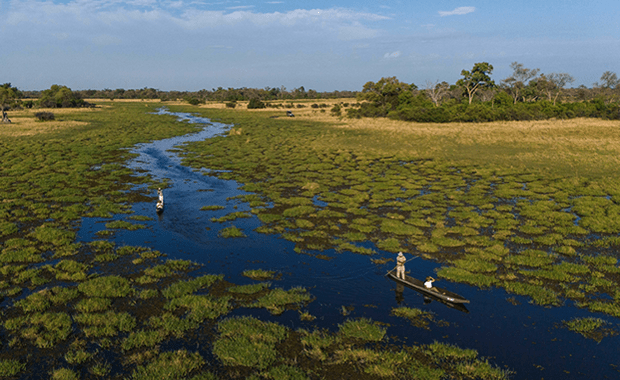
Moremi’s Third Bridge via the North Gate is the highlight of any Botswana self-drive camping trip. The track through Chief’s Island floodplains involves water crossings, deep sand, and occasional hippos blocking the road. This is genuine wilderness self-drive with zero hand-holding. The Makgadikgadi Pans are worth two nights for the surreal flat-earth horizon, meerkats at sunrise, and the Southern Hemisphere’s best stargazing.
Fuel discipline is critical here: Maun is your last guaranteed fuel before a 400 km loop inside Moremi.
Days 17–23 · Zimbabwe & Zambia — Falls and walking safari country
Re-enter Zimbabwe via Pandamatenga or continue north to Victoria Falls. Hwange National Park is criminally underrated — massive elephant herds, excellent self-drive loops around artificial waterholes, and campsites where nothing separates you from the elephants at night.
At Victoria Falls, buy the Zimbabwe-Zambia UNIVISA ($50) and cross freely between both banks. The Zambian side gives the better view during high water; Zimbabwe’s Rainforest is more accessible year-round.
From Livingstone, the long drive east to South Luangwa via Chipata is one of the great African road trips — through rural Zambia with roadside markets, baobabs, and spectacular emptiness. Croc Valley public campsite on the Luangwa River has hippos grunting ten metres from your tent all night.
Days 24–30 · Malawi — The warm-hearted detour
Malawi is the most underrated country on this route. Liwonde National Park has recently been transformed by African Parks — rhino are back, wild dog packs roam, and boat safaris on the Shire River are exceptional. Mvuu campsite is among Africa’s best public campsites in terms of wildlife density and affordability.
Three nights at Cape Maclear on Lake Malawi are non-negotiable. The beach camping, freshwater snorkelling over cichlids, and the laid-back fishing village atmosphere make this the essential rest leg mid-trip. Then push north to Nyika Plateau — a rolling high-altitude grassland at 2,500 m with roan antelope, zebra, and extraordinary wildflowers from November to April.

Days 31–37 · Tanzania — The southern circuit reward
Most overlanders rush to the Serengeti. Do the opposite. The southern Tanzania circuit — Katavi, Ruaha, Nyerere — is harder to reach, far cheaper, and has a fraction of the traffic. Katavi is perhaps Africa’s most remote mainstream park: seasonal hippo pools containing thousands of animals, zero tourist infrastructure, and tracks you’ll navigate by compass and common sense.
Ruaha is Tanzania’s largest national park and its most biodiverse — greater kudu, roan antelope, African wild dog, and lion densities that rival the Serengeti. Nyerere National Park (formerly Selous) is the largest protected area in Africa, best explored by boat along the Rufiji River. Enter Tanzania from Malawi via the Songwe border near Karonga — a straightforward crossing on paved road. Buy your e-visa online before arrival.
Days 38–40 · Kenya / Uganda — The finale and vehicle drop
Cross from Tanzania at Namanga into Nairobi, or via Isebania directly into the Masai Mara corridor. Two nights on the public campsites inside the Mara give you everything — lion kills at dawn, balloon silhouettes at sunrise, the Great Migration if timing is right (July–October peak). Amboseli with Kilimanjaro filling your windscreen is the perfect final game drive.
For Uganda: divert northwest from Tanzania to the Mutukula border, swing through Queen Elizabeth National Park (tree-climbing lions in Ishasha sector), and end at Bwindi Impenetrable Forest for gorilla trekking before dropping the vehicle in Kampala. Budget the $800/person gorilla permit well in advance.
One-way drop fees for Nairobi or Kampala are real and significant — negotiate this into the original hire contract in Johannesburg, and compare at least three operators (Bushlore, Britz, Avis 4×4, Odyssey Overland) before committing.
The most important self-drive logistics in one place
Vehicle: Toyota Land Cruiser 76/79 Series or Prado with a rooftop tent, dual spare tires, 60 L auxiliary fuel tank, and 12V fridge. All required for Botswana sand dunes and Tanzania mud.
Cross-border permit: Get this in writing from your hire company listing every country on your route before you sign. Some operators limit you to 3–4 countries and charge per additional one.
Fuel: Budget $1,400–$1,800 for ~7,000 km. Fuel is cheapest in Zambia and most expensive in Botswana. Never enter Moremi or Katavi without a full tank plus 60 L reserve.
Best time: May–October (dry season) is ideal across all six countries. Botswana’s Okavango floods beautifully May–July. Tanzania’s southern circuit is inaccessible in the heaviest rains (March–April).
Insurance: Your hire company’s basic insurance won’t cover all six countries. Buy supplemental multi-country African travel insurance and confirm the vehicle policy covers Zambia, Malawi, and Tanzania specifically — many policies quietly exclude them.