
South Luangwa National Park – Zambia Self drive safaris
Self-Drive Safari in South Luangwa National Park, Zambia – South Luangwa National Park is Zambia’s most celebrated wildlife destination and one of the finest self-drive safari parks in Africa. Covering 9,050 km² in eastern Zambia’s Luangwa River valley, it is consistently ranked among the greatest wildlife sanctuaries on the continent—and it’s surprisingly accessible to independent travelers planning a self-drive safari without a guide.
Why South Luangwa is Perfect for Self-Drive Travellers
Unlike many of Africa’s high-end, fly-in-only parks, South Luangwa is genuinely open to self-drivers. There are no restrictions on independent vehicles inside the park — wherever there are roads, you are free to explore them at your own pace. Grab a printed map at the main Mfuwe gate, load an offline navigation app on your phone (road signs inside the park are sparse), and set off along the graded loop roads that wind through woodland and riverbank.
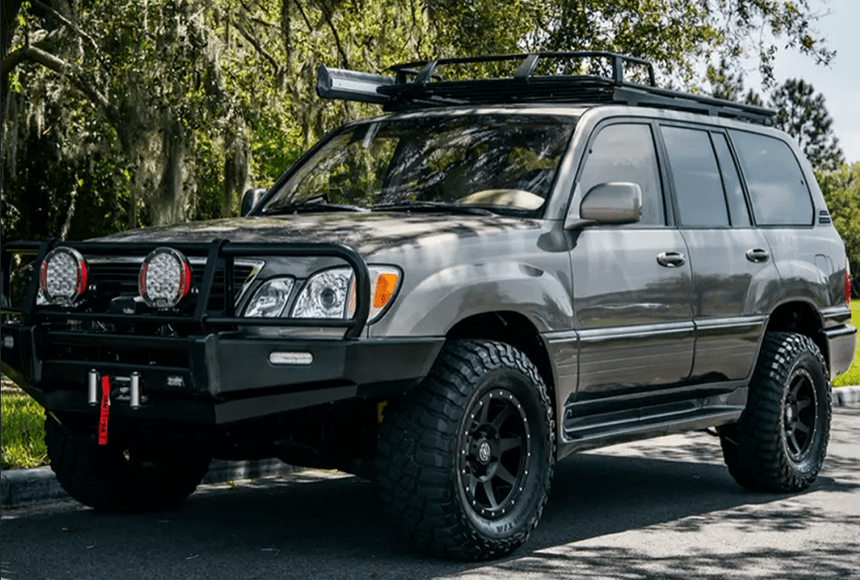
The river roads are smooth and sandy, making them ideal for self-drive game viewing along the Luangwa River. Deeper into the bush, some tracks become corrugated and rocky — rewarding but demanding. A 4×4 vehicle is strongly recommended for self-driving in South Luangwa, and is essential if you’re visiting during the green season (November to March) when waterlogged tracks make a high-clearance vehicle non-negotiable.
Long-tail keywords naturally embedded here:
- self-drive safari South Luangwa without a guide
- do I need a 4×4 for South Luangwa National Park
- best time of year to self-drive in Zambia
- self-drive game drive tips Luangwa River loop roads

Whether you’re searching for an affordable self-drive safari in Zambia, mapping out a budget camping road trip through eastern Africa, or comparing 4×4 car hire options near South Luangwa, this guide covers everything you need to plan your trip independently.
Wildlife You’ll See on a Self-Drive Game Drive
The Luangwa River and its oxbow lagoons form the beating heart of the park, drawing extraordinary concentrations of wildlife. Independent drivers following the river loop roads regularly encounter:
- Hippo pods of 10 or more wallowing just below the bridge at the main park entrance
- Elephant herds up to 70 strong gathering at the water’s edge at dusk
- Lions, leopards, wild dogs, buffalo, and Thornicroft’s giraffe (found only in the Luangwa Valley)
- Over 400 bird species, making South Luangwa a top destination for self-drive birding safaris in Zambia
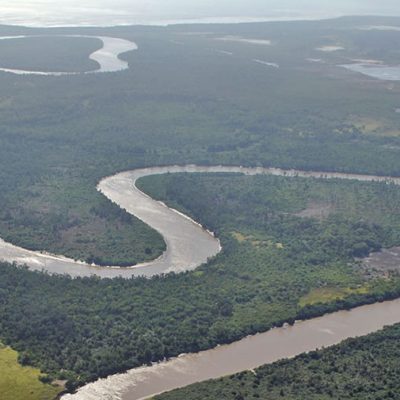
The park spans two distinct woodland eco-regions — Southern Miombo woodlands on the upper valley slopes, and Zambezian Mopane woodlands on the valley floor — supporting 60 mammal species across dramatically varied terrain.
Car Hire for a Self-Drive Safari in South Luangwa
Hiring the right vehicle is the single most important decision for a successful self-drive safari. Key considerations:
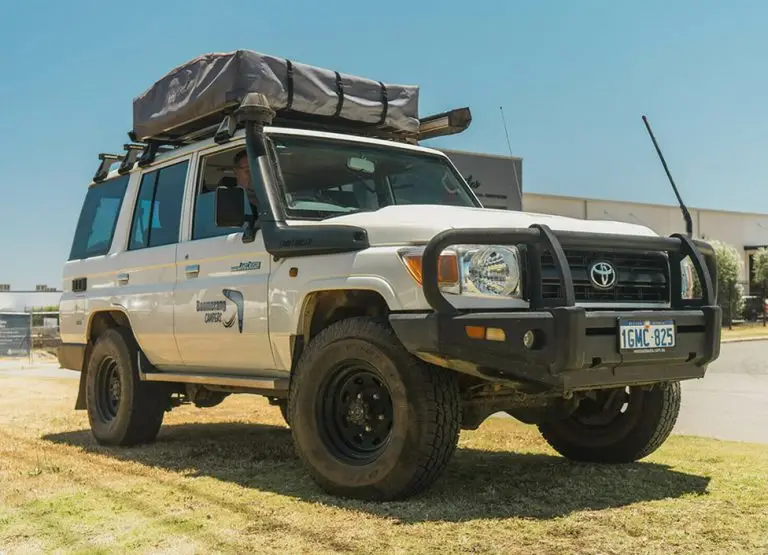
- 4×4 car hire near Mfuwe Airport is the most convenient option for travellers flying into the region. Several operators offer well-equipped bush-ready vehicles with rooftop tents.
- If driving from Lusaka, the road to South Luangwa (via Great East Road and then south from Chipata) is largely paved but the final stretch into the valley requires a capable vehicle.
- Rooftop tent 4×4 hire for South Luangwa is ideal for campers wanting full flexibility — pitch up at any of the riverside campsites without advance lodge bookings.
- Always confirm whether your car hire includes comprehensive safari insurance, a spare tyre, a high-lift jack, tow rope, and recovery boards. These are essential for off-road self-drive camping in Zambia’s national parks.
Is South Luangwa Good for Self-Drive Trips?
The short answer is yes—South Luangwa is one of the more self-drive-friendly parks in Zambia, though there are important factors to keep in mind. There are no limits to self-drivers inside the park. Wherever there are roads, you can drive on them. This means you can explore the loop roads along the river and through the woodlands entirely at your own pace. If you’re in your own vehicle, get a map at the entrance and follow the loop roads graded in the park, past dambos bursting with hippos, crowned cranes, grazing antelope and scurrying baboons.
The roads along the river are really smooth and sandy. However, away from the river the roads have several stretches of corrugation and rocks that made game viewing almost impossible. The road signs in parts of the park are non-existent, so it is recommended to bring a GPS or phone equipped with offline navigation. A 4×4 vehicle is strongly advisable, particularly during the green season when some tracks can become waterlogged.
Affordable self-drive safari in Zambia,
budget camping road trip through eastern Africa, or comparing 4×4 car hire options near South Luangwa, this guide covers everything you need to plan your trip independently.

Affordable self-drive safari in Zambia,
budget camping road trip through eastern Africa, or comparing 4×4 car hire options near South Luangwa, this guide covers everything you need to plan your trip independently.
Affordable self-drive safari in Zambia,
budget camping road trip through eastern Africa, or comparing 4×4 car hire options near South Luangwa, this guide covers everything you need to plan your trip independently.
Best Campsites in South Luangwa for Self-Drive Travellers
South Luangwa has some of the best-value safari campsites in southern Africa, with several options clustered near the Mfuwe gate and others deeper in the park for those seeking seclusion.
Croc Valley Camp — Just 500 metres from the Mfuwe bridge, Croc Valley is the classic first stop for self-drivers and overlanders arriving in the park. The campsite sits directly on the Luangwa River bank where hippos and crocodiles are a daily fixture. Facilities are excellent for camping and overland vehicles: shaded sites, power points, hot showers, and riverside campfire spots. Croc Valley also runs its own guided game drives if you want to supplement your self-drive days with expert eyes. Best for: overlanding families, first-time self-drive campers in Zambia, budget travellers

Wildlife Camp — Set slightly further from the main gate but offering arguably more dramatic game sightings — including lions hunting impala within metres of the campsite fence — Wildlife Camp has operated since 1992 and charges around $10 per person per night for camping. It includes lodge-style rooms, a pool, and a restaurant, making it a great base for multi-night self-drive safari and camping in South Luangwa. Best for: budget self-drive safaris, solo travellers, backpackers
Flatdogs Camp — Widely regarded as the social heart of South Luangwa, Flatdogs offers tent pitches through to chalets on the Luangwa River bank. It’s a popular base for self-drivers who want flexibility: spend your mornings on independent game drives and return for a cold drink by the river. Good value across multiple budget levels. Best for: mixed groups, self-drivers wanting a social camp atmosphere
Track and Trail River Camp—Another well-positioned riverside option near the Mfuwe gate, Track and Trail caters specifically to self-drivers and campers. Guided walking safaris and game drives can be booked independently here, which works well for those combining a self-drive safari with guided walking in South Luangwa. Best for: self-drive campers who want optional guided activities
Zikomo Camp (Nsefu Area)—For self-drivers willing to venture further north into the Nsefu sector, Zikomo Camp offers a quieter, more remote camping experience. The Nsefu area is known for exceptional predator sightings and far fewer vehicles than the Mfuwe zone. Best for: experienced self-drive safari travelers, those seeking remote camping in South Luangwa
South Luangwa National Park
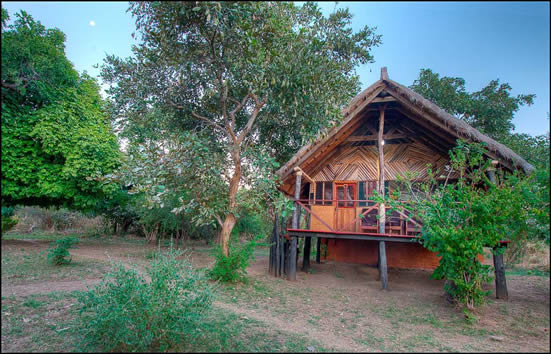
One major advantage of self-driving is solitude. During a day in the park, only six other vehicles were counted on the road — giving a perfect opportunity to get up close and personal with wildlife without the crowds. On costs, self-drive tourists in South Luangwa are required to pay park entry fees of $30 per person per day, plus a $15 vehicle entry fee per day for foreign-registered vehicles. These fees are paid at the entrance gate, so carry sufficient US dollars in cash. One important logistical note: there are no campsites inside the park, so you have to stay outside the park gates. However, several excellent camps sit directly on the Luangwa River just outside the boundary, close enough to the main gate that the experience of being surrounded by wildlife is fully preserved.
Popular Attractions
Leopard Viewing — “The Valley of the Leopard”
South Luangwa’s most celebrated claim to fame is its leopard population. For many, the most exciting aspect of the Luangwa Valley is that it has the world’s highest naturally occurring population of leopards. Aptly named the Valley of the Leopard, it’s said that if you go to South Luangwa and don’t see a leopard, you need your eyes tested! The Nsefu Sector in particular is exceptional—ecological surveys have noted that this region supports some of the highest recorded densities of leopards in southern Africa, alongside stable populations of lions, spotted hyenas and African wild dogs.
Endemic Wildlife
The Luangwa Valley harbours species found nowhere else on Earth. Unique to the Luangwa are the Thornicroft’s giraffe, Cookson’s wildebeest and Crawshay’s zebra, which are found nowhere else. South Luangwa also offers 14 different species of antelope, including the elusive bushbuck and the attractive kudu with its spiral horns and delicate face.
Walking Safaris
The now-famous walking safari originated in South Luangwa and is still one of the finest ways to experience Africa’s pristine wilderness firsthand. The Luangwa Valley is widely recognized as the finest walking area in Africa. There are many camps that put a real focus on walking—some do not offer anything but walking. Walking safaris are conducted by armed, professional guides, allowing visitors an intimate ground-level encounter with the bush that no vehicle can replicate.
Night Game Drives
The park’s diversity of safari activities is also a major attraction. You can game drive by day and by night, as well as walk. Night safaris are particularly prized for leopard sightings, as these cats are most active after dark. The experience of driving through the darkened bush with a spotlight, listening for the distant cough of a leopard or the laugh of hyenas, is unforgettable.
Bird Watching
For the bird-watcher, Luangwa could hardly be better with some 400 species of bird. The sun-scorched riverbanks play host to vast colonies of carmine bee-eaters, which, together with numerous raptors, lovebirds, weavers and kingfishers, lend more than a splash of colour to this beautiful destination. The park is consistently ranked among Africa’s top birding destinations.
African Wild Dogs
South Luangwa is one of the best places on the continent to encounter the endangered African wild dog. Packs are regularly tracked by guides who know their territories well, and sightings of these painted, charismatic hunters—especially during denning season—are among the most thrilling wildlife encounters the park has to offer.
The Nsefu Sector
The northern Nsefu Sector is a particularly special area within the park. The sector contains a diverse mosaic of habitats, including mature riverine forest, ebony groves, mopane woodland, seasonally inundated floodplains, and several natural geothermal springs. It tends to be quieter and more remote, offering a true wilderness feel away from the more visited central areas.
Most Popular
- All Posts
- Professional
- Safari Guides
- Self drive Tours
- Seo
Inspiring New Talent
It presents a wrist-hugging oval of gold, punctuated with.
Post Category
Best Time to Visit
The dry season from June to October brings the most rewarding wildlife viewing in South Luangwa National Park. Animals gather near the Luangwa River and its tributaries searching for water, making them easier to spot. The green or “emerald” season from November to March brings lush vegetation, newborn animals, and excellent birding—and significantly lower prices at most camps.
South Luangwa is, in summary, a destination that delivers world-class wildlife encounters across all budget levels, with a genuine wilderness character that few parks in Africa can match.