Border Crossing Guide for Self-Drive Safaris in Africa
There are few freedoms quite like pointing a 4×4 towards a distant border post, knowing that the bush, the road, and the schedule are entirely yours. Self-drive safaris across East and Southern Africa have surged in popularity precisely because they offer what no guided tour can replicate: total autonomy. But autonomy demands preparation. Border crossings that are smooth for locals can swallow an unprepared tourist for hours — or days. This guide distils everything a self-drive traveller needs to know before turning the wheels towards the frontier.
Why self-drive border crossings demand extra planning
A self-drive safari road trip across multiple African countries is categorically different from flying between destinations. When you cross a land border in a rental vehicle—or your own—you carry responsibility for the car’s documentation, the legality of the vehicle in a foreign country, and your own travel permits simultaneously. Miss one document and you may not cross at all.
Rental companies add another layer. A one-way car rental from Kenya to Tanzania or a multi-country self-drive safari vehicle hire requires explicit written authorisation from the rental operator. Most companies issue a cross-border letter that specifies which countries the vehicle is permitted to enter. Without it, the vehicle is effectively undocumented at the border and can be impounded.
East Africa: key border crossings for self-drive travellers
The East African Community’s integration has made overland driving holidays in East Africa more accessible than ever. The East African Tourist Visa—valid for Uganda, Kenya, and Rwanda—can be obtained in advance and is ideal for the classic triangle route. Tanzania is not part of this scheme and requires a separate tourist visa.
🇰🇪 Kenya
Hub for most East African self-drive itineraries. eVisa widely available. Strong rental fleet with cross-border permissions to TZ and UG.
🇹🇿 Tanzania
Separate visa required. Popular entry is via Namanga (Nairobi route) or Isebania. Serengeti access demands careful park fee prep.
🇺🇬 Uganda
Part of the EAC Tourist Visa. Entry via Busia or Malaba from Kenya. Road quality varies; 4×4 recommended for western routes.
🇷🇼 Rwanda
Very efficient border posts. Entry via Gatuna/Katuna from Uganda. Plastic bag ban enforced strictly—empty your car before crossing.
East Africa Tip: If your self-drive safari itinerary includes Kenya, Uganda, and Rwanda, apply for the $100 EAC Tourist Visa through any of the three countries’ portals at least two weeks before departure. It saves time and money versus three single-entry visas.
Namanga Border Post—Kenya/Tanzania
Open 24 hoursBusia/Malaba Border Posts—Kenya/Uganda
Open 24 hours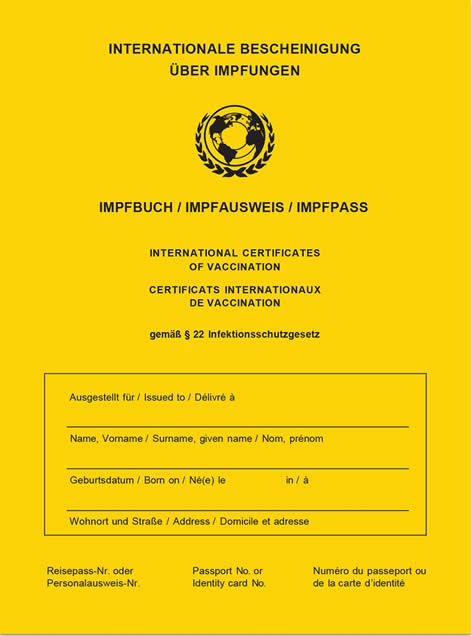
Southern Africa: the classic overland routes
Self-drive overland trips in Southern Africa are arguably the continent’s most developed market for independent travelers. The KAZA (Kavango-Zambezi) Transfrontier Conservation Area alone spans five countries—Botswana, Zimbabwe, Zambia, Namibia, and Angola—and a dedicated KAZA UniVisa covers Zimbabwe and Zambia for $50, making the multi-country self-drive safari between Victoria Falls, Chobe, and the Okavango Delta seamless.
🇧🇼 Botswana
Visa-free for most nationalities. Excellent roads to Chobe. TIP (Temporary Import Permit) required for foreign vehicles.
🇿🇼 Zimbabwe
KAZA UniVisa available at border. Carbon tax and toll fees are payable in USD. Roads are improving steadily.
🇿🇲 Zambia
The KAZA UniVisa covers entry. Kazungula pontoon replaced by a modern bridge—wait times vastly reduced.
🇳🇦 Namibia
Africa’s premier self-drive destination. Visa-free for most. Well-marked roads; 2WD adequate for main routes.
Kazungula Bridge—Botswana/Zambia – 06:00–20:00 daily
Important: South African rental vehicles crossing into neighbouring countries (Botswana, Namibia, Mozambique, Lesotho, Swaziland, Zimbabwe, Zambia, Malawi) almost universally require a Lettre de Passage or Cross Border permit from the rental company and a SADC third-party insurance certificate. Confirm both at the time of booking.
Documents checklist for self-drive cross-border trips
Whether you’re on a one-way car hire from Nairobi to Arusha or a self-drive camper rental looping through Namibia and Botswana, the documentary requirements are broadly consistent. Keep originals and certified copies of each item.
- Valid passport (minimum 6 months validity)
- Tourist visa or eVisa printout for each country
- Vehicle registration certificate (original)
- Cross-border authorisation letter from rental company
- Third-party insurance valid in destination country
- Temporary Import Permit (if required)
- International Driving Permit (recommended)
- Yellow Fever vaccination certificate (some border posts)
- Emergency contact numbers for rental company
- Vehicle roadworthiness certificate (for older vehicles)
One-way rentals: what to know before you book
A one-way car rental for a self-drive safari — picking up in one city and dropping off in another, often across a border — is increasingly popular as itineraries grow more ambitious. The classic example is collecting a vehicle in Johannesburg, driving through Botswana and Zimbabwe, and returning the car in Livingstone. Not all rental companies offer this service, and those that do charge a one-way drop fee that varies significantly by route and vehicle type.
Safety note: In your self-drive safari packing list for East and Southern Africa, include a basic first-aid kit, a reflective triangle, tow rope, and a fire extinguisher. Several countries require these items by law, and border officials may inspect your vehicle.
Nairobi → Arusha • Johannesburg → Windhoek • Livingstone → Maun • Cape Town → Victoria Falls • Kampala → Kigali
Distance between depots • fleet balance demand • vehicle class • season • cross-border permissions required
Practical tips at the border post
The mechanics of crossing are as important as the paperwork. Many self-drive safari first-timers lose time at the border not because of missing documents, but because they don’t understand the sequence of steps.
- Park only in designated areas — do not block the commercial lane
- Complete immigration before vehicle clearance — always in that order
- Retain your departure stamp slip until the next country stamps it
- Carry small USD bills — $1, $5, $10 — for fees and the occasional facilitation charge
- Do not photograph border facilities, officers, or signage
- Politely decline “helpers” who offer to expedite processing for a fee
- Have your car insurance documents accessible — not buried in luggage
- Cross early in the morning; most posts are busiest 10 AM – 1 PM
Insurance and liability across borders
Standard rental Collision Damage Waivers (CDW) purchased in your home country may not extend across borders. A comprehensive self-drive safari insurance policy for multi-country Africa travel is strongly recommended and is sometimes mandatory under rental terms. In Southern Africa, the SADC Third-Party Motor Vehicle Insurance Scheme provides baseline third-party cover across member states, but it does not cover damage to your own vehicle — that is always the driver’s responsibility or covered through a separate policy.
Some specialised travel insurers now offer overland Africa self-drive insurance packages that bundle third-party liability, vehicle recovery, medical evacuation, and trip cancellation into a single product. These are worth serious consideration for extended self-drive camping trips through multiple Southern African countries.
The roads across East and Southern Africa reward the prepared traveler generously. Master the paperwork, respect the border procedures, and the continent opens itself up in a way no scheduled flight or guided convoy ever quite replicates. Plan well, drive carefully, and the journey becomes as rich as the destination.