
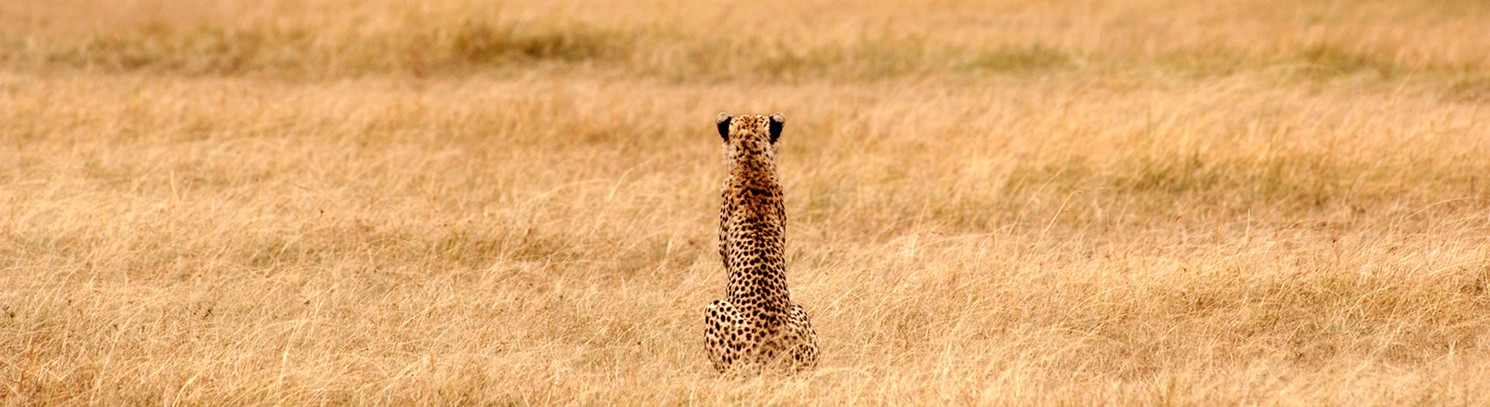
Tanzania Northern Circuit: Arusha, Tarangire, Ngorongoro and Serengeti
Few routes in Africa pack so much wildlife into so little distance. The Tanzania Northern Circuit links Arusha, Tarangire National Park, the Ngorongoro Crater and the Serengeti into a loop of baobab-studded valleys, volcanic highlands and endless grass plains. It is the classic route for 4×4 safaris in East Africa, and it is more flexible than most travellers realise. You can book a fully guided trip, or you can take the wheel yourself.
This guide covers each stop on the circuit, when to go, and how to plan the logistics, including car hire, camping and budget options.
Arusha: The Gateway to the North
Almost every Northern Circuit journey begins in Arusha, a busy town at the foot of Mount Meru. Kilimanjaro International Airport is about an hour’s drive away, and Arusha has the region’s best supermarkets, fuel stations, outfitters and safari operators.
Spend a day here to get organised. Change money, buy a local SIM card, stock up on water, snacks and camping supplies, and pick up your vehicle if you are driving yourself. The Arusha Coffee Lodge area and the nearby Maasai markets are good for a first taste of northern Tanzania. If you have extra time, Arusha National Park is a short drive away and offers giraffes, colobus monkeys and views of Mount Meru, which makes a gentle warm-up before the bigger parks.
Renting a vehicle in Arusha
If you want independence, Car Rental Tanzania options are plentiful in Arusha. Searching for a way to rent a Car in Tanzania usually leads to a mix of international brands and local safari-focused operators. The local specialists tend to be the better choice for this route, because their vehicles are set up for park roads. Typical safari-ready vehicles include Toyota Land Cruisers (hardtop or pop-up roof), Land Cruiser Prados and Land Rovers.
Look for these features when you book:
- Four-wheel drive with high clearance
- Two spare tyres, a jack and basic recovery gear
- A roof tent, camping stove, fridge or cool box, and bedding if you plan to camp
- Full insurance with a clear excess, and written terms covering tyre and windscreen damage
- 24-hour breakdown support, ideally with mechanics based in Arusha
Remember that Tanzania drives on the left. Allow generous driving times, because road conditions and wildlife crossings slow everything down.
Tarangire National Park: Elephants and Baobabs
About two hours southwest of Arusha, Tarangire is often called the quiet achievement of the circuit. The park is famous for its large elephant herds and its ancient baobab trees, and the Tarangire River is the lifeline that draws animals from across the surrounding ecosystem.
The dry season, from roughly June to October, is the best time to visit. As other water sources vanish, wildlife concentrates along the river, and you can see elephants, buffalo, zebra, wildebeest, giraffe, impala and the park’s resident lions in a single game drive. Birders will find hundreds of species, and the park is a stronghold for the yellow-collared lovebird, among many others.
Tarangire is also a good place to build confidence for Car Rentals and Self-Drive Trips. The tracks are generally straightforward, the park is less crowded than the Serengeti, and the scenery rewards slow driving. Always check current park regulations on self-driving before you set out, because rules vary between protected areas and can change.
A night or two here is enough. Many travellers combine Tarangire with a stop at Lake Manyara or the town of Mto wa Mbu on the way to Ngorongoro, which makes the drive to the highlands more comfortable.
Ngorongoro Crater: The World’s Largest Intact Caldera
From Tarangire or Lake Manyara, the road climbs through the farming town of Karatu to the rim of the Ngorongoro Crater. This collapsed volcano is about 260 square kilometres of floor, enclosed by walls rising roughly 600 metres. The crater is a UNESCO World Heritage Site and part of the larger Ngorongoro Conservation Area, where wildlife and Maasai pastoralists share the land.
Descending into the crater feels like entering a self-contained world. Lions, spotted hyenas, buffalo, hippos, flamingos on the soda lake and some of Tanzania’s few remaining black rhinos live on the floor. Early morning is the best time to go down, when the light is soft and the animals are active, and crowds are thinner before midday.
A few practical points matter here:
- The crater road is steep and rough, so a proper 4×4 is essential.
- Entry fees and vehicle regulations in the conservation area are strict. Self-drivers should confirm in advance whether a registered guide is required and how fees are paid.
- Temperatures on the rim can be cold, especially at night, so pack warm layers even in the dry season.
Staying on the rim, either in a lodge or at a public campsite, is part of the experience. Waking above the clouds with the crater spread out below is a highlight of many trips.
The Serengeti: The Endless Plains
From Ngorongoro, the route continues northwest across the highlands and down onto the open plains of the Serengeti. At nearly 15,000 square kilometres, it is one of the world’s most celebrated wildlife regions, and it needs no introduction. Its fame rests on the Great Migration, the circular movement of over a million wildebeest, along with zebra and gazelle, following the rains.
The migration’s position changes through the year, so timing your trip matters:
- December to March: Herds gather on the southern plains around Ndutu, where calving season brings newborns and attracting predators.
- April to June: Animals move through the central and western corridors as the long rains fall.
- July to October: The herds push north, with dramatic river crossings in the northern Serengeti.
- November: They begin moving south again.
Even outside the migration peaks, the Serengeti is excellent. Resident lions, leopards in the acacias of the Seronera valley, cheetahs on the open plains and large numbers of elephants and giraffes provide good sightings all year.
Self-drive and camping in the Serengeti
For adventurous travellers, Self-Drive and Camping Trips are the most immersive way to experience the park. Public campsites in the Serengeti sit right in the wilderness, often with no fences, so you hear lions and hyenas at night. This is real bush camping, and it demands preparation: carry plenty of water and food, secure your supplies from baboons and hyenas, and follow all park rules about staying in your vehicle on game drives and respecting wildlife.
Fuel is limited inside the park, so fill up in Arusha or Karatu and carry extra if your rental allows it. Distances are long and roads can be corrugated or muddy in the rainy season, so build in extra time between destinations.
Planning the Perfect Itinerary
A well-paced Northern Circuit usually takes seven to ten days. A sample route looks like this:
- Day 1: Arrive in Arusha, collect your vehicle and stock up.
- Days 2–3: Tarangire National Park.
- Day 4: Drive via Lake Manyara area to the Ngorongoro rim.
- Day 5: Crater descent, then onward toward the Serengeti.
- Days 6–8: Serengeti, with game drives in central and either southern or northern areas depending on the season.
- Days 9–10: Return via Ngorongoro to Arusha, or continue to another destination.
Slowing down is almost always better than rushing. Two nights in each park gives you time to find the animals rather than simply passing through.
Making It Affordable: Budget Car Rental Deals and One-Way Options
Safaris have a reputation for being expensive, but smart planning can bring costs down considerably. Looking for Budget car rental deals is a good place to start. A few approaches help:
- Travel in the shoulder or green season. Rates for vehicles and accommodation are often lower outside the peak months, and parks are quieter.
- Book early. Safari-ready 4x4s are limited, and the best-value vehicles disappear first in peak months.
- Choose longer rentals. Many operators offer lower daily rates for rentals of a week or more.
- Camp instead of staying in lodges. Renting a vehicle with camping gear included can cut accommodation costs dramatically.
- Share costs. A 4×4 with a roof tent suits families or small groups, and splitting the rental makes each person’s share more manageable.
When comparing quotes, look beyond the headline daily rate. Check what is included for insurance, mileage limits, park fees support, camping equipment and airport pick-up, because a cheap rate can hide extras.
One-way rentals for flexible routes
Not every trip ends where it started. One-Way Rentals let you collect a vehicle in Arusha and return it elsewhere, such as at Kilimanjaro Airport, or even in another city. This is useful if you are combining the Northern Circuit with the coast or Zanzibar, or if you are continuing south to other Tanzanian parks. One-way rentals usually carry a drop-off fee, and availability depends on the operator, so confirm the details and any extra charges before you book.
Practical Tips for a Smooth Trip
- Documents: Carry your passport, valid driving licence and, where needed, an international driving permit. Confirm what your rental company requires.
- Insurance: Read the policy carefully, especially clauses about off-road driving, river crossings and tyre damage.
- Health: Take malaria prevention seriously, and consult a travel clinic about vaccinations well before you leave.
- Cash and cards: Park fees are often paid by card, but carry some cash for small purchases and tips, and confirm payment methods in advance.
- Connectivity: Mobile coverage is patchy inside the parks. Download offline maps and carry a printed route.
- Respect wildlife: Keep your distance, never feed animals, and follow park speed limits.
Guided or Self-Drive: Which Is Right for You?
Both styles have their place. A guided safari brings expert spotting skills, local knowledge and a driver who handles the roads, which suits first-time visitors and those who want to relax and focus on wildlife. Self-drive offers freedom, flexibility and the thrill of finding your own sightings, which suits confident drivers with some off-road experience and a taste for adventure. Some travellers blend the two, hiring a vehicle for part of the journey and a guide for the Serengeti or the crater.
Whichever you choose, the Northern Circuit delivers. It combines superb wildlife, dramatic scenery and rich Maasai culture in a route that is easy to reach and rewarding to explore at your own pace.
Final Thoughts
From the bustle of Arusha to the elephant-filled riverbanks of Tarangire, the sweeping crater of Ngorongoro and the vast Serengeti plains, the Northern Circuit is Tanzania at its most iconic. With the right preparation, whether through a guided trip or by choosing to rent a Car in Tanzania and drive it yourself, you can design a journey that fits your budget, your pace and your sense of adventure. Start planning early, compare Car Rental Tanzania providers carefully, and get ready for one of Africa’s great road trips.