
Volcanoes National Park, Rwanda – Gorilla Trekking Safaris
Volcanoes National Park is Africa’s most storied primate destination. Covering roughly 160 square kilometers of rainforest, bamboo groves, and volcanic slopes, the park forms part of the larger Virunga Massif, a chain of eight extinct and dormant volcanoes shared between Rwanda, Uganda, and the DRC. Five of these volcanic peaks — Karisimbi, Bisoke, Muhabura, Gahinga, and Sabyinyo — lie within Rwanda’s borders and give the park its dramatic, cloud-wrapped silhouette. Its high-altitude forests, sitting between 2,400 and 4,500 meters above sea level, create a cool, misty climate that supports an extraordinary range of biodiversity, from golden monkeys to over 200 bird species. But it is one resident above all others that has made this park world-famous — and the reason gorilla trekking in Rwanda tops so many travelers’ bucket lists.
Rwanda’s broader reputation as a clean, safe, and well-organized safari destination — sometimes called “Africa’s Singapore” — also plays into the park’s appeal: infrastructure, roads, and guiding standards here are noticeably more polished than in many neighboring gorilla destinations, making it one of the easier countries in the region for independent 4×4 safaris and self-drive tours. Anyone willing a roadtrip in Rwanda, is far more than safe. A trip to Volcanoes National Park can be self guided. Pick up your gorilla trekking permit, golden monkey or hiking ticket from us or at RDB in Kigali. You can choose to have some nights in Kinigi or Musanze town during the adventure trip. Alternatively you can take on a one day tour from Kigali to Volcanoes for Gorilla trekking and avoid spending a night there.
How Many Days Do You Need?
Most guides recommend 2 to 3 days as the practical minimum for a satisfying visit:
- Day 1: Arrive from Kigali (about 2–3 hours by road) and settle into your lodge in Musanze or Kinigi.
- Day 2: Gorilla trekking (the core activity, typically booked for this day).
- Day 3: A second activity — golden monkey tracking, the Dian Fossey hike, or a volcano climb — followed by departure or onward travel.
If you want to combine gorilla trekking with a volcano hike (Bisoke or Karisimbi) and golden monkey tracking, 4 to 5 days is more comfortable, since each activity effectively takes a full day and you don’t want to rush between strenuous treks. Travelers combining Volcanoes National Park with other Rwandan parks (Nyungwe Forest for chimpanzee trekking, or Akagera for classic savanna game drives) typically plan 7 to 10 days for a well-rounded Rwanda itinerary — often structured as a 4×4 self-drive Rwanda road trip linking Kigali, Musanze, Nyungwe, and Akagera.
Self drive Safaris to Volcanoes National Park - Rwanda
1 Day Rwanda Gorilla trek
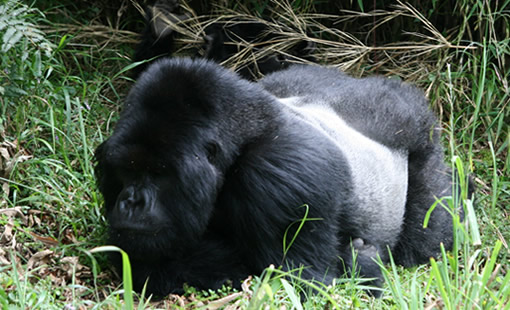
Volcanoes National Park sits 3 hours away from Kigali. Book a permit for one day Gorilla trekking leaving Kigali at 4:30am and return in the evening. You will have enough time for the trek, and driving back the same day. This will save you more time and accommodation expenses in Kinigi or Musanze.
3 Days Volcanoes Safaris
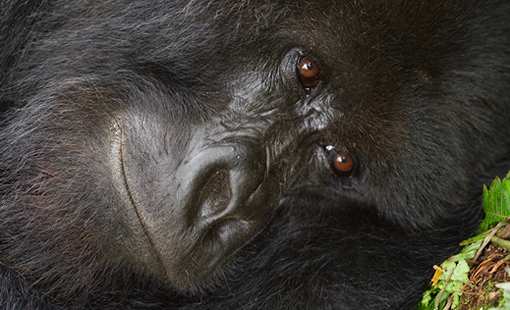
On the 3 days tour to Volcanoes National Park, focus on Gorilla trekking and Golden Monkey tracking. On the second day of your trip it will be Mountain Gorilla trekking and Golden Monkeys on the 3rd day before leaving. Basic accommodation is located in Musaze town.
5 Days Gorillas, G/monkeys
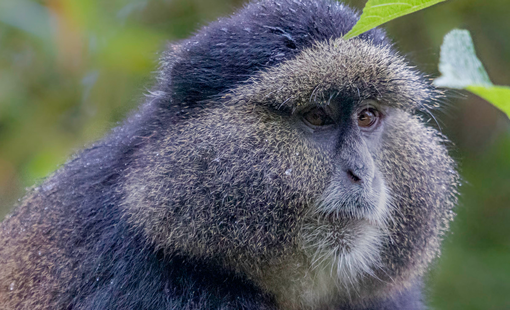
On the five days trip to Volcanoes National Park, you will have a full highlight of the park. Gorilla trekking, Golden Monkey tours, Bisoke hike and Karisoke hike. Additionals can be a visit at Dian Fossey Museum and the Ibiwaccyu cultural village.
What Is It Famous For?
Mountain gorillas. Volcanoes National Park is home to roughly one-third of the world’s remaining mountain gorillas, and it is where the legendary primatologist Dian Fossey conducted her decades of research, founding the Karisoke Research Center within the park in 1967. Her work — and her murder in 1985 — were chronicled in the book and film Gorillas in the Mist, cementing the park’s place in global conservation history.
Today the park protects 14 habituated gorilla families available for tourist tracking, each visited by a maximum of eight people a day, which caps the park at just over a hundred trekking permits daily. This exclusivity is deliberate: it minimizes stress on the gorillas while maximizing the quality of each encounter — and it’s exactly why demand for safaris to see gorillas in Volcanoes National Park has grown so consistently year over year.
Beyond gorillas, the park is celebrated for:
- Golden monkeys — an endangered, strikingly colored primate found only in the Virunga and Gishwati-Mukura ecosystems, and one of the few other primates habituated for tourism here.
- Volcano hiking — Bisoke’s crater lake and Karisimbi’s misty summit are among East Africa’s most rewarding high-altitude hikes, and increasingly popular add-ons for travelers doing road trips in Rwanda between parks.
- Dian Fossey’s grave and the former Karisoke Research Center, a pilgrimage site for conservation-minded travelers.
- The Kwita Izina gorilla naming ceremony, an annual September event (modeled on a traditional Rwandan naming custom) that celebrates newborn gorillas and Rwanda’s conservation success.
- Musanze Caves and Lake Ruhondo/Lake Burera, scenic detours near the park that round out a visit, particularly for those exploring by 4×4 self-drive Rwanda itineraries.
Where to Stay: Budget Options
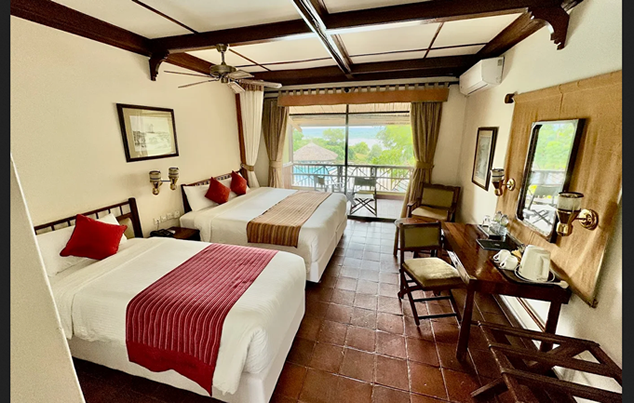
Volcanoes National Park is surrounded by luxury lodges (Bisate, Singita Kwitonda, One&Only Gorilla’s Nest), but budget alternatives cluster around Musanze town and Kinigi village at the park’s entrance:
- Kinigi Guest House — ~1km from Kinigi park headquarters; simple rooms and dorms, among the closest/cheapest options.
- Muhabura Hotel — a long-standing Musanze favorite with self-contained rooms, restaurant/bar, easy access for morning briefings.
- La Palme Hotel — Musanze, ~25 minutes from the park entrance; standard/twin/deluxe rooms, breakfast usually included.
- Virunga Inn / Virunga View Guesthouse — basic, clean guesthouses in Kinigi and Musanze, popular with independent travelers.
- Amahoro Guest House — homely budget option outside Musanze with home-cooked meals.
- Villa Gorilla — small boutique budget property in Kinigi near headquarters, with doubles and garden bungalows.
Expect $60–100/person/night, often with breakfast — far below the $400–3,600+ charged by park-bordering lodges. Combined with self-driving, these options make budget gorilla-trekking safaris genuinely achievable.
Likely Safari Packages
Packages are generally sold by tour operators as all-inclusive itineraries, priced per person based on group size and lodge tier. Typical structures include:
1. Short Gorilla Trekking Package (2–3 days) Kigali pickup, transfer to Musanze/Kinigi, one gorilla trekking permit, one night or two at a budget or midrange lodge, meals, and return transfer. This is the most economical way to see the gorillas and is popular with travelers on a tight schedule or budget — a common starting point for anyone comparing budget safaris in Rwanda.
2. Classic Volcanoes Package (4–5 days) Adds a second activity — golden monkey tracking or a volcano hike — plus a cultural village visit. This is the most commonly booked package, balancing cost, activity variety, and pace.
3. Primate Combo Package (7–10 days) Combines Volcanoes National Park with Nyungwe Forest National Park for chimpanzee trekking and canopy walks, sometimes adding Akagera National Park for a traditional game drive safari with lions, elephants, and giraffes. This suits travelers wanting the full spectrum of Rwandan wildlife, and is also well suited to 4×4 safaris and self-drive tours for those who prefer setting their own pace between parks.
4. Luxury/Fly-in Packages Built around top-tier lodges bordering the park itself, with private transfers (sometimes by helicopter from Kigali), multiple gorilla treks, spa access, and highly personalized service.
On cost: the mandatory gorilla trekking permit is $1,500 per person for international non-residents (with discounted rates of $500 for foreign residents and $200 for East African residents), unchanged and non-negotiable regardless of operator or season. This permit fee is separate from lodging, transport, meals, and tips, so a realistic all-in budget for a 3–5 day trip — permit, transport, lodging, and extras — commonly runs from roughly $2,000 on the budget end to well over $10,000 for a luxury multi-night stay at a five-star lodge. Travelers prioritizing budget safaris in Rwanda can keep costs down considerably by choosing modest lodging in Musanze or Kinigi and self-driving rather than booking a fully guided package.
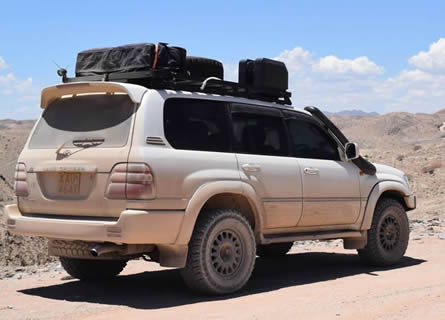
4x4 Rootop tent Car - Rwanda
Book this Land Cruiser Prado tx for safaris in Volcanoes National Park and Rwanda at large. Pick up from Kigali and cross over the borders
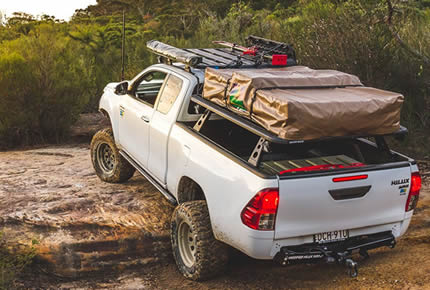
4x4 Rootop tent Car
There are campsites located near Musanze town - 20 minutes drive to the Volcanoes National Park headquaters. A fee of 20 dollars is required for everyone camping
Vehicle Requirements for Volcanoes National Park Safaris
A 4×4 vehicle is essential for safaris to Volcanoes National Park in Rwanda. While the main access roads to the park are well-maintained and paved, reaching the starting points for certain gorilla family treks requires travel over rugged, rocky terrain. For this reason, a standard Land Cruiser with high ground clearance is recommended. Gorilla groups such as Susa, Amahoro, and Isimbi are located at trailheads that specifically require 4×4 access.
Safari Activities in the Park
Gorilla trekking is the headline activity. Visitors gather at 7:00 a.m. at Kinigi park headquarters for a briefing, are assigned to one of the habituated families based on fitness level and the family’s location, and then trek — anywhere from 30 minutes to several hours through forest and bamboo — accompanied by armed rangers and expert trackers. Once located, you get a strictly enforced one hour with the gorillas. For most visitors, this single experience is the centerpiece of any gorilla trekking in Rwanda itinerary.
Golden monkey tracking is a shorter, gentler half-day activity, tracking a habituated troop of these acrobatic, copper-colored monkeys through the bamboo forest — a good option to pair with gorilla trekking on a multi-day trip, or as a standalone activity for those who can’t or don’t want to do the more strenuous gorilla trek.
Volcano hiking includes:
- Bisoke (3,711m) — a challenging but doable day hike to a stunning crater lake at the summit.
- Karisimbi (4,507m) — the tallest of the Virunga volcanoes, usually done as a two-day, one-night hike with camping near the summit.
- Muhabura and Gahinga — less-visited peaks offering quieter hikes with excellent views.
Cultural and historical excursions include:
- The Dian Fossey Hike, a moderately strenuous half-day trek to her grave and the ruins of the Karisoke Research Center.
- The Iby’Iwacu Cultural Village, where former poachers and local community members demonstrate traditional dance, healing practices, and daily Rwandan life.
- Community and batwa (twa) cultural visits, offering context on the people who lived in these forests before the park’s creation.
Bird watching is excellent, with over 200 recorded species including several Albertine Rift endemics.
For travelers with their own vehicle or a rental, the drive up from Kigali and the loop around Musanze, Lake Kivu, and the northern parks is increasingly popular as a standalone experience — one of the better road trips in Rwanda for combining scenery, culture, and wildlife without joining a large group tour.
Most Popular
- All Posts
- Professional
- Safari Guides
- Self drive Tours
- Seo
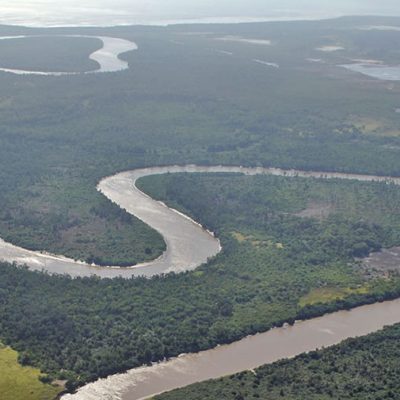
Book a car with rooftop tents and explore Africa on a one way route.
Best Time to Visit
Rwanda’s climate is relatively stable year-round given its equatorial, high-altitude setting, but two dry windows are considered ideal for trekking:
- June to September (long dry season) — the most popular period, with firmer trails and lower rainfall, coinciding with the Kwita Izina gorilla naming ceremony in September.
- December to February (short dry season) — a quieter alternative with good trekking conditions and fewer crowds than the June–September peak.
The wetter months (March–May and October–November) bring muddier, more strenuous treks but also occasional lower-season permit pricing (around $1,050) for the November–May period, generally tied to multi-park booking conditions — worth investigating if budget matters more than dry-season comfort. Whatever the season, gorillas are trekked year-round; rain affects the difficulty of the hike, not whether the activity happens at all. Note that during the wetter months, road conditions can add extra time and challenge to any 4×4 self-drive Rwanda plans, so a higher-clearance vehicle and some buffer time are worth building into the schedule.