
Ngorongoro Crater Self-Drive 4×4 Safaris: The Complete Guide
Ngorongoro Crater is one of those places that earns every bit of its reputation, and a self-drive 4×4 safari is genuinely one of the most rewarding ways to experience it if you’re comfortable handling rough roads and want the freedom to set your own pace.
There’s a moment, just as your 4×4 crests the rim road and the forest suddenly opens up, when the entire crater floor reveals itself below you — a vast green-gold bowl ringed by 600-metre walls. With herds of wildebeest and zebra scattered across it like grains of pepper on a tablecloth, these are Ngorongoro Crater safaris. It’s a sight that photographs never quite prepare you for, and it’s the reason Ngorongoro Crater has become one of the most celebrated single-day safari destinations on the planet. For travelers who want to drive themselves through this landscape rather than be chauffeured, a self-drive 4×4 safari through Ngorongoro offers a particular kind of freedom and intimacy with the terrain that guided tours can’t quite replicate. Here’s a full account of what the crater offers, what it costs, when to go, and why it deserves a firm place on your Tanzania itinerary.
Self-Drive 4×4 Logistics: What You Need to Know
Tanzania is one of the more self-drive-friendly safari countries in East Africa, and Ngorongoro is considered one of the easier parks to navigate independently — the crater-floor tracks are well-maintained and signposted, making it genuinely difficult to get lost. That said, there are a few non-negotiables specific to self-driving here:
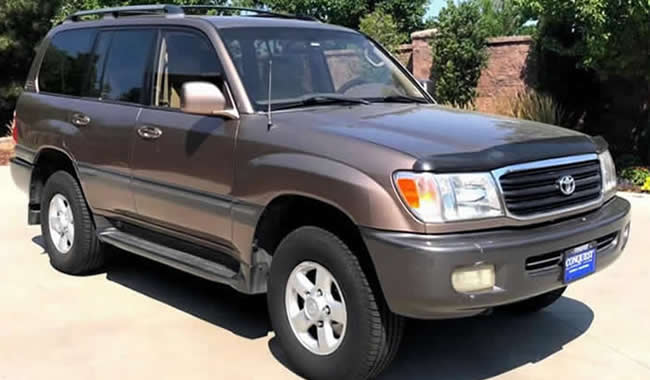
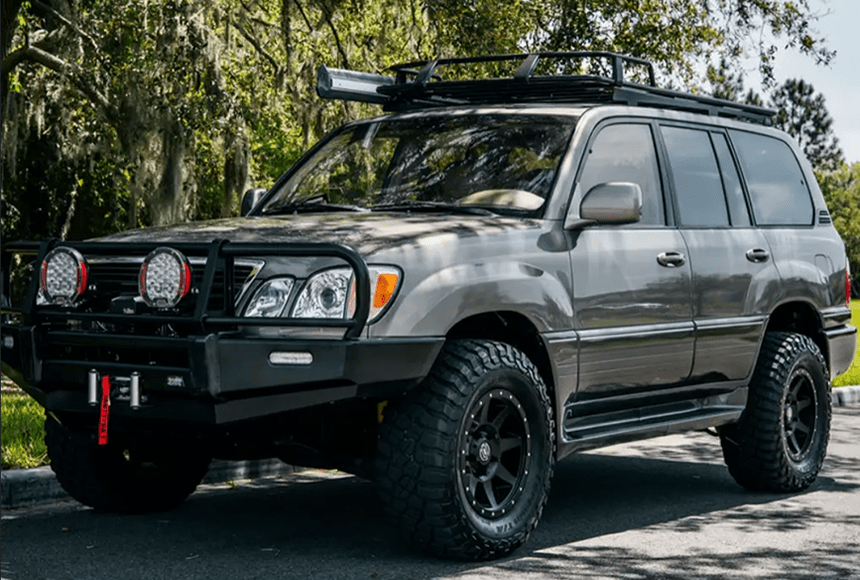
- A 4×4 vehicle is mandatory. The crater’s access roads are steep, often slippery dirt, and the crater floor itself can get muddy in the wet season. Standard 2WD vehicles are not permitted.
- A ranger escort is compulsory for self-drivers while inside the crater itself. This isn’t a guide who drives for you — the ranger simply rides along for the descent, the time on the crater floor, and the ascent, helping with navigation and wildlife spotting. The ranger fee is USD 40, payable in cash only, and is arranged on arrival at the gate. A ranger is not compulsory if you are only in transit through the Ngorongoro Conservation Area and do not go down the Crater.
- Permits for the NCA and crater cannot be bought at the gate yourself if you’re arranging things independently — a tour operator must issue them in advance, which is an important planning detail for self-drivers renting from a local car-hire company; most arrange this for you as part of the rental.
- Speed limits are enforced, and penalties are given to persons found overspeeding while in the Ngorongoro Conservation Area.
- Permits are time-limited. Permits once issued are valid for one entry within 24 hours; beyond that, travellers are subject to paying for an extra day, and most operators structure the crater visit as a concentrated game drive on the crater floor of around six hours, since you need time to get back up the rim before your permit expires.
Fees for Tourists and Vehicles (2026 Rates)
Fees are set and revised by the Ngorongoro Conservation Area Authority (NCAA), charged per person per day and per vehicle, and are tiered by residency status: Tanzanian/East African citizens, expatriates (foreign residents with valid Tanzanian immigration status), and foreign non-residents (the category most international tourists fall into). All fees below are exclusive of an 18% government VAT, which is added at payment.
Conservation/Entrance Fee (per person, per day):
- Foreign non-residents (adults, 16+): $70.80 USD
- Foreign non-residents (children 5–16): 23.60 USD
- East African/Tanzanian citizens (adults): 11,800 Tsh
- East African/Tanzanian citizens (children 5–16): 2,360 Tsh
- Children under 5: exempt from all entrance, camping, and concession fees
4x4 Rental Cars for Ngorongoro safaris
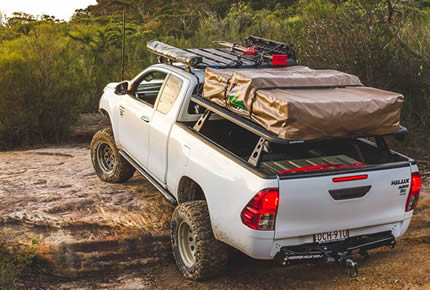
A Self-Drive 4x4 Safari Guide
For travelers who want to drive themselves through this landscape rather than be chauffeured, a self-drive 4×4 safari through Ngorongoro offers a particular kind of freedom and intimacy with the terrain that guided tours can’t quite replicate
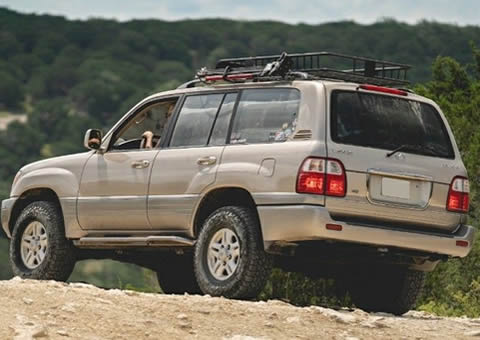
A Self-Drive 4x4 Safari Guide
For travelers who want to drive themselves through this landscape rather than be chauffeured, a self-drive 4×4 safari through Ngorongoro offers a particular kind of freedom and intimacy with the terrain that guided tours can’t quite replicate
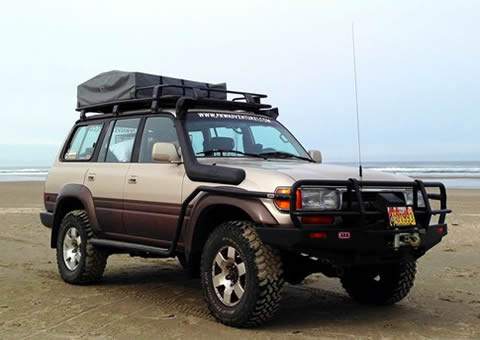
A Self-Drive 4x4 Safari Guide
For travelers who want to drive themselves through this landscape rather than be chauffeured, a self-drive 4×4 safari through Ngorongoro offers a particular kind of freedom and intimacy with the terrain that guided tours can’t quite replicate
What Is Ngorongoro Crater, Exactly?
Ngorongoro is not technically a crater in the volcanic-explosion sense — it’s a caldera, formed roughly 2.5 million years ago when a large volcano, once possibly taller than Kilimanjaro, erupted and then collapsed in on itself. What remains is the largest unbroken, unflooded volcanic caldera in the world: roughly 19–21 km in diameter, with a floor area of about 260 square kilometers and walls rising 400 to 610 metres above the crater floor. It sits within the much larger Ngorongoro Conservation Area (NCA), an 8,288 sq km expanse that also includes highland plateaus, volcanic mountains, gorges, and other craters like Olmoti and Empakai.What makes the crater so extraordinary as a wildlife destination is its self-contained ecosystem. Because the walls form a natural enclosure, the crater floor functions almost like a vast open-air amphitheater for wildlife — animals rarely need to leave it, since water, grazing, and shelter are all present year-round. This concentration is what gives Ngorongoro one of the highest densities of game anywhere in Africa, with estimates of around 25,000 to 30,000 large animals living within or moving through the crater at any given time.
Features of the Crater
The crater floor is a patchwork of habitats packed into a relatively compact space — short-grass plains, the soda waters of Lake Magadi (a magnet for flamingos and hippos), the Lerai forest of yellow-barked acacias, swamps fed by the Munge and Ngoitokitok springs, and rocky outcrops called kopjes that lions favor as vantage points. Few places in Africa let you move between so many distinct ecological zones within a single day’s drive.
The wildlife roster is what draws most visitors. Ngorongoro is one of the few places in Tanzania to reliably spot the Big Five — lion, leopard, elephant, buffalo, and the critically endangered black rhino, of which a small but precious population survives here. Add to that dense herds of wildebeest, zebra, buffalo, and Grant’s and Thomson’s gazelle, plus hyena clans, jackals, serval cats, hippos in the swamps, and flamingos wading in the lake’s pink-tinged shallows. The crater also has a notably dense lion population, often seen lounging on the open plains or perched on kopjes.
The crater rim itself is an attraction in its own right — densely forested, often shrouded in mist, and home to several lodges perched on its edge with views straight down into the bowl. The descent and ascent roads are steep, winding dirt tracks, and this is genuinely where the self-drive 4×4 experience earns its keep: navigating the gradient, the switchbacks, and occasionally slick red clay (especially after rain) is part of the adventure, though Tanzanian authorities maintain the crater-floor tracks themselves in good, well-signposted condition.
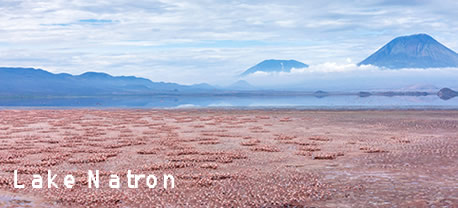
Beyond the crater, the wider conservation area connects to other major sites worth combining into your route — Olduvai Gorge (one of the most important paleoanthropological sites on Earth, where some of humanity’s earliest hominid fossils were discovered), the Laetoli footprints, Lake Natron, Ol Doinyo Lengai (an active volcano), and the Shifting Sands, a curious crescent-shaped dune of volcanic ash that slowly migrates across the plains. Maasai villages within the NCA also offer cultural visits, since the Maasai retain traditional grazing rights within the conservation area — a fairly unique arrangement where pastoralist communities coexist with protected wildlife.
The Best Time to Visit — and Why
Ngorongoro is genuinely a year-round destination because, unlike the Serengeti’s migratory herds, most of its wildlife is resident within the crater. Still, timing affects both your wildlife viewing and your driving experience meaningfully.
Dry season (late June through October) is widely regarded as the best window for a self-drive visit. This period offers the best wildlife viewing conditions of the year, for a few converging reasons:
- Vegetation is shorter and sparser, so animals are easier to spot across the open crater floor rather than hidden in tall grass.
- Animals concentrate more tightly around the crater’s permanent water sources (Lake Magadi, the springs, the swamps), making for denser, more predictable sightings.
- Roads — both the rim descent/ascent and the crater-floor tracks — are firm and dry, which matters considerably for a self-drive trip navigating steep dirt switchbacks. The clay surfaces on the crater walls can become genuinely treacherous and slippery when wet.
- Skies are clearer, which helps both general visibility and photography, and daytime temperatures on the crater floor are comfortable, even though the rim itself (at altitude, often misty) can be notably cooler and worth packing a layer for.
The wet season (November–May, with the heaviest rains typically March–May) has its own appeal — lush green scenery, fewer tourist vehicles, and newborn animals during the calving period — but comes with genuine downsides for self-drivers specifically: muddier, more difficult roads on the crater rim, reduced visibility in tall grass, and a higher chance of getting your vehicle stuck if you’re not experienced with 4×4 driving in slick conditions.
If your trip allows flexibility, July through September tends to be the sweet spot: dry roads, peak wildlife concentration, and (for those combining it with the Serengeti) overlapping with parts of the Great Migration in the wider ecosystem, even though the migration itself doesn’t typically pass through the crater.
Why Ngorongoro Should Be on Your List
A few things make this crater stand out even in a country as saturated with extraordinary parks as Tanzania:
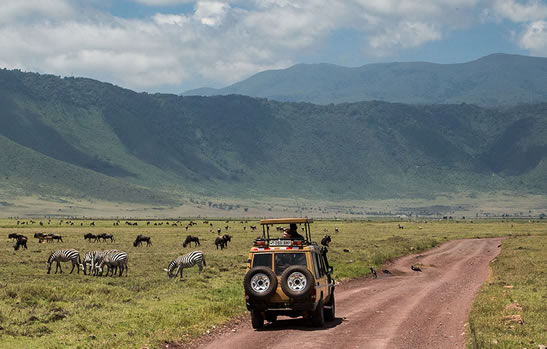
Density over distance. Unlike the Serengeti, where you might drive for hours between sightings, Ngorongoro’s compact, enclosed geography means wildlife encounters come thick and fast. In a single day’s drive, you can realistically see lion, elephant, buffalo, rhino, and possibly leopard — the full Big Five — something that takes most safari-goers a full multi-day circuit elsewhere to achieve.
A landscape unlike anywhere else. The visual experience of driving down into a giant ancient caldera, with its own internal weather and microclimates, is simply unique. It’s recognized as a UNESCO World Heritage Site and counted among the Seven Natural Wonders of Africa for good reason.
Manageable for self-drivers. Despite the steep rim roads, the crater floor tracks are well-maintained and signposted, and the mandatory ranger escort means you’re never genuinely navigating blind — making it one of the more approachable self-drive wildlife experiences in East Africa, even for those newer to off-road driving.
A natural anchor for a bigger northern circuit. Geographically, Ngorongoro sits perfectly between Arusha and the Serengeti, and its proximity to Olduvai Gorge, Lake Natron, Empakai, and Maasai cultural sites means a single stop here can be woven into a much richer multi-day northern Tanzania self-drive itinerary, rather than standing alone.
Conservation that funds something real. The fees, while substantial, directly fund both wildlife protection and, notably, community programs for the Maasai population who retain traditional rights within the NCA — making your visit part of a working conservation model rather than a purely extractive tourist transaction.
For anyone planning a Tanzania self-drive safari, Ngorongoro Crater is less an optional add-on than a centerpiece — a single, self-contained day that delivers a concentration of landscape and wildlife rarely matched anywhere else on the continent, and one best tackled with a sturdy 4×4, a dry-season booking, and a little advance planning around permits and fees.